Best Portable Car 12V Air Conditioners for on-the-Go Cooling
Travelers and campers often need reliable cooling without a heavy, permanent setup. This guide focuses on true 12V and RV-ready portable air conditioners and climate solutions designed for cars, campers, and off-grid adventures. Below you’ll find five top options that balance cooling power, energy efficiency, and ease of use, so you can stay comfortable on the road or at remote sites.
| Product | Brand | Approx. BTU | Power/Notes |
|---|---|---|---|
| Cybertake Portable Camping Air Conditioner (Cooling & Heating) | Cybertake | 5100 BTU cooling / 6100 BTU heating | 12V/24V, Eco+ mode |
| RV Air Conditioner, 12V 10000 BTU Rooftop | outequip | 10000 BTU | Rooftop, quiet operation |
| Countrymod 12V DC RV Air Conditioner, 10000 BTU | countrymod | 10000 BTU | Inverter design, low noise |
| 12V DC Portable Car AC Split System, 22525 BTU/h | Libsaerty | 22525 BTU/h | LCD, 3-speed, compact |
| Aspligo 12V RV Rooftop DC A/C, 8000 BTU | Aspligo | 8000 BTU | Remote & rooftop, quiet |
Cybertake Portable Camping Air Conditioner
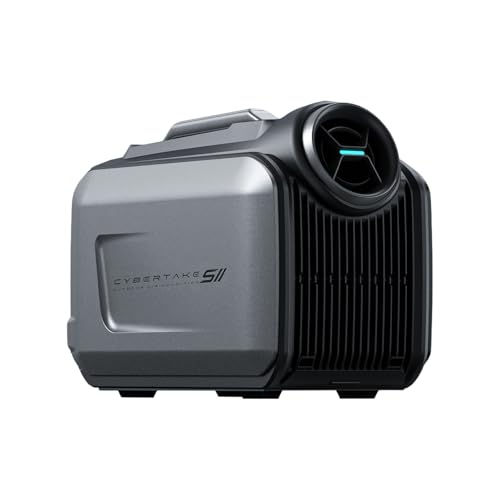
The Cybertake model provides flexible power options, including AC wall outlet, 12V/24V car or RV power, or a portable DC source. It delivers 5100 BTU of cooling and 6100 BTU of heating, capable of conditioning spaces up to about 130 square feet. Targeted for tents, RVs, cabins, and boats, it offers four modes: Cool, Heat, Dehumidify, and Eco+. Three fan speeds, precise temperature control, and a 0–12 hour timer enhance customization. Eco+ mode emphasizes energy efficiency, using as little as 1 kWh over eight hours.
RV Air Conditioner, 12V 10000 BTU Rooftop

This 12V rooftop unit targets RV enthusiasts seeking rapid cooling. It delivers up to 10,000 BTU of cooling and includes a 4,500 BTU PTC heater for supplementary warmth in cooler conditions. Built with UV-stabilized ABS materials, EPDM foam gasket, and a zinc-coated condenser, it emphasizes durability and weather resistance for outdoor deployments and harsh settings.
Countrymod 12V DC RV Air Conditioner 10000 BTU

Countrymod presents a 12V inverter-driven 10,000 BTU RV air conditioner designed for rapid cooling and efficient operation. It uses variable-frequency control to adjust compressor speed and temperature to comfort levels automatically. Claimed energy-saving performance reduces consumption to around 0.3 kWh per hour, with up to ten hours of battery life. Noise levels range in the 45–55 dB band, aiming for unobtrusive operation and evenly distributed cold air indoors.
12V DC Portable Car AC Split System (22525 BTU/h)
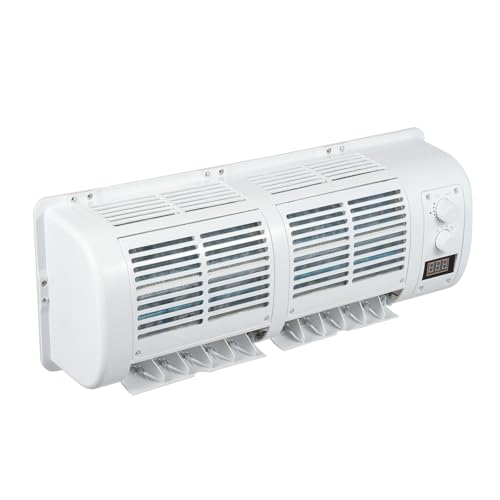
This compact split-system unit delivers about 22,525 BTU per hour of cooling, with a 3000 RPM motor and dual outlets for even airflow. An LCD display and a simple control panel provide 3 speeds and a temperature range roughly within 60.8–86°F. Its small footprint makes it suitable for trucks, RVs, forklifts, and other vehicles where space is at a premium, while maintaining multiple vehicle configurations.
Aspligo 12V RV Rooftop DC Air Conditioner, 8000 BTU

The Aspligo rooftop unit delivers 8000 BTU of cooling with a 750 W draw and a rated 30–62 A current. It’s designed for RVs, campers, and off-road vehicles, with a remote control for convenient operation and a clear LED display. The roof opening must fit specific dimensions, but this model prioritizes quiet operation and steady cooling on the move, making it suitable for parked or cruising scenarios.
Buying Guide: Key Purchase Considerations
- Power source compatibility: Ensure the unit supports 12V vehicle power plus any external power options you may carry (inverter, portable batteries, or AC mains).
- BTU capacity vs. space: Match cooling capacity to the area you intend to cool. Rooftop units typically deliver higher BTUs for larger RVs, while compact units suit small cabins or tents.
- Energy efficiency: Look for inverter or variable-frequency designs and eco modes to extend battery life on long trips.
- Noise levels: For sleeping or driving, quieter models (lower dB) are preferable; check decibel ratings in product specs.
- Installation and portability: Rooftop and under-dash systems require different mounting work. If you move between vehicles, consider lighter, easily removable units or portable ACs.
- Durability and weather resistance: Outdoor-ready housings, corrosion resistance, and gasket quality help units endure travel, dust, and humidity.
- Maintenance and availability of parts: Check warranty terms and the availability of replacement components such as filters and seals.
- Defrost/defog utilities: Some 12V units offer dehumidification and defrosting capabilities that improve visibility and comfort in varied climates.
- Energy cost savings: Inverter-driven systems may offer long-term savings, especially when used with battery power or during extended camping stays.
Across these options, users should compare BTU output, power supply flexibility, and installation requirements to select a model that best fits their vehicle type, camping style, and typical climate. While rooftop units bring robust cooling, portable 12V models win for versatility and off-grid setups, especially when paired with a suitable power source or battery system.