Best Racing Engine Oil for High-Performance Machines and Track-Ready Power
Choosing the right racing engine oil is critical for protecting high-stress, high-RPM engines while maximizing horsepower and reliability. This guide highlights five top racing oils and how they perform under demanding conditions—whether you’re chasing best lap times, tough endurance, or simple reliability on the track. Readers will see key features, potential benefits, and practical considerations to help decide which oil best fits their engine, fuel type, and racing discipline.
| Product | Brand | Main Benefit | Key Feature |
|---|---|---|---|
| Valvoline VR1 Racing SAE 20W-50 | Valvoline | Maximum protection in high RPMs | 2X more zinc for wear protection |
| VP Racing 2927 4-Cycle Engine Oil SAE 30/10W30 | VP Racing | Synthetic efficiency for small engines | Synthetic base stocks reduce oil consumption |
| Valvoline VR1 Racing SAE 10W-30 | Valvoline | Racing oil with strong friction modifiers | 2X more zinc for extreme wear protection |
| Lucas Oil 10631 SAE 30 Racing Engine Break-in Oil | Lucas Oil | Break-in and initial protection | Quick ring seal, track-ready performance |
| BestLine Racing Diamond Nano-Lubricant Engine Oil Additive | DNL | Reduces wear and noise | Diamond Nano-coating for ultra-low friction |
Note: The table above provides a quick snapshot of how each option supports performance. For in-depth product details, refer to the corresponding sections below.
Valvoline VR1 Racing SAE 20W-50 Motor Oil 5 QT

Valvoline’s VR1 Racing 20W-50 is positioned as America’s #1 racing oil, designed for high-performance gasoline engines and those that run on full or partial alcohol fuels. Its formulation emphasizes friction reduction and heat management at high RPMs, which can translate into sustained power and torque during races. The oil features enhanced zinc levels to improve film strength and anti-wear protection on critical components such as pistons, cams, and bearings. This blend aims to balance high-load reliability with broad fuel compatibility, which is especially important in modern racing environments where fuel choices can vary.
VP Racing 2927 4-Cycle Engine Oil – SAE 30 / 10W30

VP Racing’s 2927 4-Cycle Engine Oil targets small engines with a synthetic base, delivering improved performance versus standard mineral oils. The product notes suggest a lower oil consumption profile and inherently biodegradable properties, which may appeal to racers seeking efficiency and environmental considerations without compromising protection. It’s marketed as exceeding standard 10W-30 and SAE 30 performance, making it a versatile option for a range of racing and maintenance scenarios where synthetic benefits are desired in a compact, 18-ounce package.
Valvoline VR1 Racing SAE 10W-30 Oil

This VR1 10W-30 variant expands the racing portfolio with a high-performance synthetic blend suited for gasoline engines under demanding conditions. Its friction-modifying chemistry is designed to reduce heat buildup in high-RPM operation, supporting consistent power output. The product emphasizes zinc-based protection for critical wear areas, helping safeguard pistons, cams, and bearings during long stints on the track or in high-stress dyno sessions. This oil serves as a flexible option for teams running multiple engine platforms, provided viscosity and fuel compatibility align with the engine’s specifications.
Lucas Oil 10631 SAE 30 Racing Engine Break-in Oil
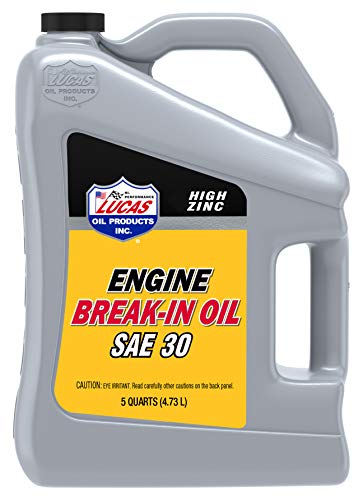
Lucas Oil’s 10631 is specifically positioned for initial engine break-in, covering flat tappet and roller cam applications. Its formulation focuses on faster, more reliable ring seal and protection during the break-in phase, which is critical for maximizing long-term performance. It’s presented as an option for getting race engines to a stable baseline before transitioning to racing-only lines of conventional or synthetic oils. The product notes emphasize track performance and the importance of protected tolerances during high-stress starts.
BestLine Racing Diamond Nano-Lubricant Engine Oil Additive

BestLine’s Diamond Nano-Lubricant is an additive rather than a standalone oil, designed to be used with existing engine oils. It claims significant reductions in friction and noise by forming a protective ultra-low friction film atop a Diamond Nano-coating. The formula targets a wide range of platforms on gasoline and diesel engines, including race cars, motorcycles, and classic vehicles. Its claimed heat resistance and universal compatibility make it a candidate for teams seeking friction reduction and potential fuel economy improvements without swapping oil types entirely.
Buying Guide: Key Considerations for Racing Engine Oils
- Engine type and displacement: High-performance gas engines, turbocharged setups, and mixed-fuel race cars need oils formulated for elevated temperatures and shear forces. Consider viscosity options (e.g., 10W-30, 20W-50) based on operating temperature ranges and the engine’s tolerances.
- Friction modifiers and wear protection: Oils with zinc content or advanced anti-wear packages help protect critical components at high RPMs. Evaluate how much film strength is needed for your engine’s camshaft, pistons, and bearings under race conditions.
- Break-in vs. race-ready formulations: Some oils are tuned for break-in (to protect during initial startup), while others are designed for ongoing racing use. Plan a strategy that matches your maintenance schedule and race calendar.
- Fuel compatibility: Alcohol fuels and methanol blends can alter oil performance and dilution. Choose oils proven to work well with your current fuel choice to maintain viscosity and protection.
- Synthetic vs. conventional blends: Synthetic bases typically offer better high-temperature stability and reduced oil consumption, which matters on hot tracks or in endurance events. However, cost and compatibility with your engine design should guide the decision.
- Additives and coatings: While dedicated oils provide most protection, additives (like Diamond Nano-lubricants) may supplement surface wear resistance and friction reduction. Evaluate whether an oil alone, or an additive-plus-oil approach, aligns with your maintenance plan.
- Maintenance intervals and track demands: Racing schedules vary; some teams prefer longer oil life for endurance events, while others opt for more frequent changes to maximize reliability. Align oil choice with planned maintenance cycles and inspection routines.
In summary, the right racing engine oil depends on engine design, fuel strategy, and race discipline. The options reviewed here cover a spectrum—from high-Zinc, heat-tolerant race oils to synthetic blends and break-in formulas. For most American track environments, matching viscosity to operating temperatures and ensuring robust wear protection are the core priorities. Where possible, consult your engine manufacturer’s recommendations and team experiences to fine-tune the selection for optimal track performance and engine longevity.