Best Run Flat Winter Tires for Safe All-Season Handling
Winter driving demands tires that stay reliable when temperatures drop and road conditions worsen. Run flat winter tires let you keep moving after a puncture, providing confidence on ice, snow, and slush. This guide highlights five top options from trusted brands, with essential specs and performance notes to help American drivers choose wisely for their vehicles and climate.
| Product | Brand | Size / Key Note | Link |
|---|---|---|---|
| Dunlop Winter Sport 3D ROF | Dunlop | 245/45R18 XL, 100V Run Flat | URL |
| Bridgestone Blizzak LM001 Run-Flat | Bridgestone | 245/50R19 105V Extra Load | URL |
| Bridgestone Blizzak LM001 Run-Flat | Bridgestone | 225/60R18 104H Extra Load | URL |
| Bridgestone Blizzak LM-25 Run-Flat | Bridgestone | 245/45R18 96V | URL |
| Bridgestone Blizzak LM-60 Run-Flat | Bridgestone | 205/45R17 84H | URL |
These options cover a range of common wheel sizes and performance priorities, including higher load capacity, improved handling on wet and icy surfaces, and consistent snow traction. All are designed to maintain basic mobility after a puncture, enabling safer travel through winter conditions.
Dunlop Winter Sport 3D ROF Tires 245/45R18XL Run Flat 100V

The Dunlop Winter Sport 3D ROF combines run-flat technology with winter-specific tread geometry to deliver stable steering and consistent grip on snow and ice. The 245/45R18 XL size accommodates higher load capacities and broader contact with the road, helping maintain steering feel and braking performance in cold conditions. The tire’s 3D Sipe design enhances bite on icy surfaces, while the ROF construction supports continued mobility after a puncture, reducing the risk of getting stranded.
Bridgestone Blizzak LM001 Run-Flat Winter Tire 245/50R19 105 V Extra Load
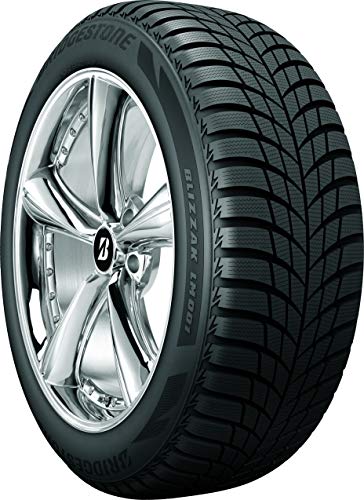
Bridgestone’s Blizzak LM001 Run-Flat in 245/50R19 delivers strong winter performance with dependable cornering and handling. Extra-load construction supports heavier vehicles while maintaining the brand’s characteristic winter grip. Its tread compounds and sipes are designed to maximize traction on snow and wet ice, providing confident braking and control in winter conditions without sacrificing mobility after a puncture.
Bridgestone Blizzak LM001 Run-Flat Winter Tire 285/45R21 113 V Extra Load
This LM001 Run-Flat in a larger 285/45R21 size provides robust winter performance for larger SUVs and pickups. It emphasizes confident stopping power on snow and ice, along with reliable handling through slushy and wet conditions. The tire’s construction supports run-flat use and maintains traction across cold surfaces, making it a credible option for drivers needing a capable winter tire with puncture protection.
Bridgestone Blizzak LM001 Run-Flat 225/60R18 104 H Extra Load
In 225/60R18 with 104 H load rating, this Blizzak LM001 Run-Flat balances snow traction and everyday handling. Its multi-angled sipes and tread design are tuned to deliver grip on icy roads while maintaining stability during highway driving. The run-flat feature allows drivers to continue moving after a puncture, providing peace of mind during winter commutes and road trips.
Bridgestone Blizzak LM001 Run-Flat Winter Tire 225/50R18 95 H
This 225/50R18 LM001 Run-Flat variant emphasizes winter grip with reliable cornering and handling. The tire’s tread pattern optimizes performance on wet and icy roads, while the run-flat design supports continued mobility after a puncture. It aims to balance traction with drivability for everyday winter use in regions with heavy snowfall and cold temperatures.
Buying Guide
Key purchase considerations for run flat winter tires include size compatibility, load capacity, and the vehicle’s tire pressure monitoring system (TPMS). Drivers should assess typical winter conditions—snow depth, ice, and slush—to determine the necessary grip level and braking performance. The following perspectives help refine choices:
- Performance Priorities: For drivers prioritizing icy traction, look for advanced siping and tread geometry that maximize bite. For dry-wet winter comfort, seek models with improved handling and dry performance without sacrificing snow grip.
- Load and Vehicle Type: Extra-load variants suit heavier SUVs and trucks, maintaining stability and ride quality on winter roads.
- Run-Flat Tradeoffs: Run flats offer mobility after punctures but may ride firmer than standard tires. Consider tire pressures, vehicle compatibility, and expected mileage to balance comfort and safety.
- Climate Fit: In milder regions with occasional snow, a tire optimized for wet handling and ice may suffice. In severe climates, prioritize tread depth, compound, and siping density for sustained grip.
- Maintenance and Replacement: Rotate tires per manufacturer guidelines and inspect ROF inserts for any signs of wear. Seasonal storage and proper mounting can extend performance life.
When selecting a run flat winter tire, owners should align tire size with their wheel wells, consult vehicle manuals for ROF compatibility, and confirm that the tire’s performance envelope matches typical local winter conditions. The five options listed above reflect a cross-section of sizes and load ratings from Dunlop and Bridgestone, offering credible winter performance with the security of run-flat technology.