Best Rust Encapsulator for Automotive Projects: Top Picks for Long-Lasting Protection
Protecting automotive metal from rust is essential for longevity and resale value. The following selections are among the most trusted rust encapsulators and rust converters designed for automotive use. They penetrate rust, form durable barriers, and tolerate engine bays, heat, and harsh weather. This guide highlights five top products, with practical usage tips and objective comparisons to help you choose the right coating for your project.
Summary of chosen products
- Eastwood Matte Black Rust Encapsulator Plus — 1 Quart
- Eastwood Matte Black Rust Encapsulator Plus — Pint
- Eastwood Rust Encapsulator Aerosol — 15 Oz, 2 Pack
- Eastwood Matte Black Rust Encapsulator Plus — 1 Gallon
- Ultra 2-in-1 Rust Converter Paint & Metal Primer by cocomfix — 35 oz
Eastwood Matte Black Rust Encapsulator Plus — 1 Quart

Rust Encapsulator: This original Eastwood solution stops surface rust by penetrating deeply into metal to prevent spreading and future corrosion. It’s heat-resistant up to 350°F, making it suitable near engines and brakes. Use as a primer/encapsulator over clean or rusted steel or cast iron. Surface prep involves removing loose rust with a stiff brush, then cleaning contaminants with PRE or Acetone. Apply by brush, roller, or spray for a durable, rust-blocking layer. Eastwood supports a wide range of projects and offers lifetime tech support.
Usage notes emphasize mechanical rust removal and proper solvent cleaning before application. The coating is designed to be a single-coat encapsulation for many automotive parts, with additional coats or topcoats considered based on exposure to sunlight and heat. This product line reflects Eastwood’s long-standing reputation in auto restoration and protective finishes.
Eastwood Matte Black Rust Encapsulator Plus — 1 Pint

RUST ENCAPSULATOR: The same Rust Encapsulator formula, offered in a smaller pint size for smaller projects or touch-ups. It penetrates deeply to halt rust progression and is heat-resistant up to 350°F. The product is intended as a primer/encapsulator over clean steel or cast iron, requiring rust removal and solvent cleaning beforehand. This version highlights “2X Stronger Than Original” performance, reflecting enhanced durability for limited-volume jobs.
Application guidance mirrors the quart form: prepare the surface, apply efficiently, and allow adequate curing time. The pint size is ideal for localized areas such as brackets, brackets, and smaller engine bay components. It can be used where a robust rust barrier is needed without buying larger quantities.
Eastwood Rust Encapsulator Aerosol — 15 Oz, 2 Pack

RUST ENCAPSULATOR: This aerosol version provides a quick-drying, UV-resistant coat with heat resistance up to 400°F. It is ideal for large surface areas or hard-to-reach spots where a spray application saves time. The coating penetrates deeply to stop current rust and prevent future corrosion. Use a wire brush to prepare the surface, remove dust and grease, then shake the can and apply at a distance of 10-12 inches from the surface. Curing times vary with temperature, but can reach a dry-to-touch state within 20 minutes and full cure in several hours. A second coat can be applied after one hour for added durability.
Features emphasize Eastwood’s long-standing product family, with guidance on surface prep and layering. The 15 oz consistency is designed for efficient spraying on automotive components like frames, panels, and braces. The 2-pack option supports larger projects or multiple vehicles.
Eastwood Matte Black Rust Encapsulator Plus — 1 Gallon

RUST ENCAPSULATOR: Large-volume encapsulation for significant rust-prone areas. Like the quart version, this product offers deep protection against rust spread and future formation, with heat tolerance up to 350°F. Suitable for engine bays and exposed chassis parts, it functions as a robust primer and encapsulator. Preparation steps include removing loose rust, degreasing, and applying in a well-ventilated area. The gallon size provides value for extensive restorations or fleet maintenance.
These notes align with Eastwood’s brand philosophy: a broad product ecosystem, in-house testing, and support for users from hobbyists to professionals. The gallon format is particularly suited to shop settings or projects involving multiple vehicles.
Eastwood Matte Black Rust Encapsulator Plus — 16 oz Aerosol

RUST ENCAPSULATOR: This 16 oz aerosol size offers flexible coverage for automotive components that benefit from a sustained protective layer without a topcoat when exposed to sunlight. The product notes indicate a moisture-curing, urethane system that encapsulates rust and does not require a top coat unless outdoor exposure dictates. It can be used on bare metal and rusted surfaces alike, providing a versatile option for automotive rust control. It is designed to be applied via aerosol spray and dries to a durable protective film.
Usage guidance includes light surface preparation and the option to top coat with a high-quality paint system if desired. The product line emphasizes long-term protection and compatibility with various coatings used in auto restoration and repair.
Eastwood Rust Encapsulator Platinum Pint — UV Resistant Aluminum Finish

RUST ENCAPSULATOR: Platinum is Eastwood’s high-tech variant designed for outdoor exposure, with an aluminum pigmented, UV-resistant finish. It forms a robust bond to clean steel and rusted surfaces and can be top-coated with compatible paints. It is designed to cure outdoors at dew points and temperatures as low as 40°F and up to 80°F, with salt spray resistance and long-term corrosion protection as outcomes. This formulation accepts rusted substrates and aims to minimize prep work while delivering durable protection.
Ultra 2-in-1 Rust Converter Paint & Metal Primer — 35 oz
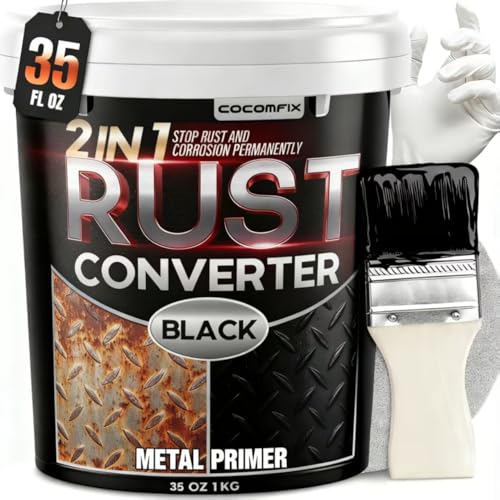
Permanently Prevent Rust: This cocomfix Rust Reformer converts rust into a durable, peel-proof black coating that creates a heat-stable and moisture-sealing barrier. It allows direct-to-rust painting with no primer or topcoat needed, offering a one-coat solution that treats rust on metal surfaces. The formula is designed to withstand up to 350°F thermal conditions, with resistance to salt, UV, and corrosion. The product is intended for automotive frames, chassis, trailers, and truck components, delivering a practical, direct-to-rust approach for older vehicles or ongoing restoration projects.
Buying Guide: Key Considerations For Automotive Rust Protection
When choosing a rust encapsulator or converter for automotive use, consider the following factors to ensure you select the right product for your needs.
- Heat tolerance: Engines, exhausts, and brake components generate heat. Look for products rated up to at least 350–400°F for typical automotive environments.
- Surface prep requirements: Most products require rust removal and degreasing before application. Some offer stronger adhesion and fewer prep steps, depending on the formulation.
- Application method: Spray, brush, or roll-on formats affect coverage efficiency. Aerosol options are convenient for tight spaces, while gallons or quarts suit larger jobs.
- UV and weather exposure: For exterior components, UV resistance helps color retention and durability. For interior or engine bays, UV exposure is less critical but long-term corrosion resistance remains essential.
- Topcoat compatibility: Some encapsulators do not require a topcoat, while others can be top-coated for color and extra protection. Consider your project’s exposure and finish preferences.
- Salt and humidity resistance: Coastal or winter environments demand formulations with superior salt spray resistance and moisture sealing properties.
- Brand and support: Reputable brands offer technical guidance, warranty considerations, and customer support which can be valuable on complex restorations.
In practice, you may combine products for best results: a rust converter for initial treatment on severely rusted areas, followed by a robust encapsulator for long-term protection, and a topcoat where required by exposure. Always follow surface preparation steps closely to maximize adhesion and durability.