Best Sander for Cars: Top Auto Detailing Sanders
Choosing the right sander for car work helps prepare surfaces for paint, remove old finishes, and achieve a smooth finish on metal, wood, or composites. The following selections emphasize portable power, dust control, and reliable performance for automotive projects. Each entry highlights what makes the sander suitable for car detailing and body work, from orbital action to dust collection features and vibration control.
| Product | Brand | Key Benefit | Type |
|---|---|---|---|
| GALAX PRO 280W Orbital Sander | GALAX PRO | Powerful 13,000 OPM with dust collection | Electric Orbital |
| KUIMIT 5″ Air Sander Kit | KUIMIT | Professional-grade pneumatic performance | Air/Pneumatic |
| SKIL 5” Random Orbital Sander | Skil | Cyclonic dust containment and variable speed | Electric Orbital |
| ZFE 5″/6″ Pneumatic Palm Sander | ZFE | Low vibration, high balance for long use | Air/Pneumatic |
| Autolock 5/6″ Air Random Orbital Sander | Autolock | Lightweight, smooth operation for car body work | Air/Pneumatic |
GALAX PRO 280W Orbital Sander
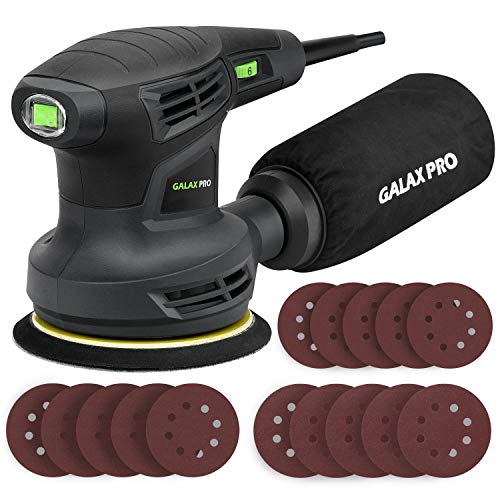
The GALAX PRO orbital sander uses a 280W motor capable of up to 13,000 rotations per minute, providing robust material removal for rough surfaces, paint stripping, and sanding large areas quickly. Its 125 mm (5-inch) sanding pad supports efficient coverage on doors, panels, and fenders. A built-in dust collection system helps maintain visibility during sanding, while the 1.25 mm orbit diameter balances aggressive material removal with a smoother finish. This model is suitable for wood, metal, and plastic prep work on automotive projects.
Key considerations for this sander include dust management, pad size, and available speed range. The included dust bag reduces airborne debris, though compatibility with external vacuums can further improve cleanup. Users should plan for occasional pad wear and ensure proper disc selection to match the workpiece material and finish goals.
KUIMIT 5″ Air Sander Kit

This palm-sized, air-powered sander delivers strong performance with a maximum 12,000 RPM and a smart regulator enabling real-time RPM adjustments between 2,500 and 12,000 RPM. The compact design supports one-handed control, which is advantageous for precision work on body panels and tight spots. Its lightweight construction (about 3.1 lbs) reduces fatigue during long detailing sessions and helps maintain steady pressure for even sanding on curved surfaces.
Considerations include the trade-off between air supply requirements and noise, as pneumatic tools rely on an air compressor. The adjustable speed control can help tailor speed to different materials, coatings, and thicknesses, reducing the risk of gouging primer or filler during automotive prep.
SKIL 5” Random Orbital Sander

The SKIL SR211601 offers a 2.8-amp motor with up to 13,000 OPM and a cyclonic dust box that minimizes dust clouds during sanding. The X-flow dust collector increases ease of cleaning, and variable speed control ensures appropriate power for various car body prep tasks, from delicate filler work to heavier adhesion removal. The mid-range weight and balanced operation support stable guiding for long sanding sessions on flat and contoured panels.
Important considerations include dust management effectiveness and the ease of disc changes. For automotive use, ensure discs with appropriate grit ranges and hook-and-loop backing for quick changes, while avoiding excessive vibration that can affect edge finishing on panels and corners.
ZFE 5″/6″ Pneumatic Palm Sander

The ZFE pneumatic sander combines light weight with an ergonomic grip and 10,000 RPM capability. It is designed for deburring wood, polishing metals, and preparing paint surfaces, making it a versatile option for automotive body work. Its all-steel movement and high-hardness components emphasize durability and longevity under repeated use, while a dust bag connection supports cleaner work environments in shop settings or on-site jobs.
When selecting this sander, consider the availability of back-up discs and backing plates, as well as the required air supply. Pneumatic sanders are typically quieter and lighter, but they demand a compressor capable of delivering steady air pressure to maintain consistent performance.
Autolock 5 Inch Air Random Orbital Sander

Autolock’s 5-inch air random orbital sander offers a compact, palm-friendly design with low vibration and a precision-balanced motor for smooth operation. The tool is positioned as a practical option for automotive detailing on body panels, doors, and smaller components where controlled, steady sanding is essential. The product emphasizes user comfort and steady performance, which can help maintain consistent finish across curved or contoured surfaces.
Key considerations include exchangeability of backing pads and discs, as well as air supply quality. For car work, pairing with a reliable vacuum or dust extraction setup can help manage dust in paint and primer layers, reducing the risk of contaminants during painting prep.
Autolock 6 Inches Air Random Orbital Sander
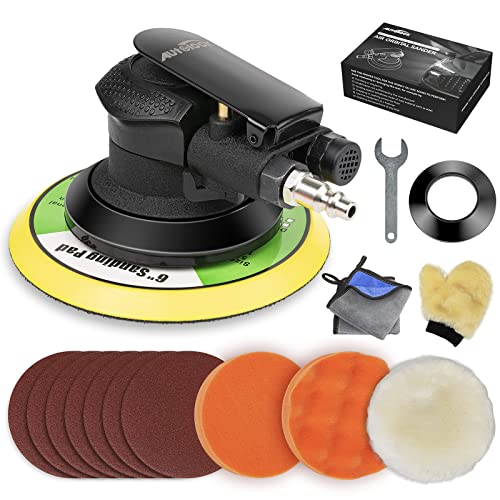
The Autolock 6-inch model expands the air-powered option with a larger pad for faster surface coverage while maintaining a palm-friendly feel. It targets professional or home shops performing car refinishing, body repair, and general prep work. The 2025 iteration focuses on improved balance and reduced vibration to help operators maintain control on larger panels and even finishes.
Considerations include available pad options for different sanding tasks and the air compressor requirements to sustain consistent performance. Larger pads speed up flattening and feathering operations, but may require more careful handling on detailed corners and edge lines on vehicles.
5 Inch Air Random Orbital Sander by Bowd

This 5-inch pneumatic sander claims wide applicability for car body work, furniture, and floor refinishing. It emphasizes ergonomic design, durability, and ease of control, with a durable aluminum body and high-precision steel components for consistent operation. It is suitable for aggressive material removal as well as finishing passes, depending on grit and pad selection.
When evaluating this option, assess compatibility with your existing air system and the availability of a full kit of backing plates and sanding discs. The tool’s light weight and robust construction are favorable for extended detailing tasks, though operators should monitor dust collection effectiveness in enclosed workspaces.
Buying Guide
- Power source: Electric (corded) vs. pneumatic (air-powered). Electric sanders are common for hobbyists and garages with standard outlets; pneumatic models excel in professional shops with reliable air compressors and lower heat generation.
- Backing pad size: 5-inch pads cover larger areas; 6-inch pads speed up flat panel work but require more room to maneuver. Choose based on panel size and edge complexity.
- Dust control: Models with built-in dust bags or cyclonic dust containment help keep the workspace clear. A compatible vacuum can further improve cleanliness and visibility during sanding.
- Orbital action and speed: Random orbitals offer a balance of material removal and a fine finish. Look for adjustable speed to accommodate coatings, fillers, and primers without gouging.
- Ergonomics and weight: Lighter tools reduce fatigue during long sessions. Balanced designs and cushioned grips enhance control, especially on curved surfaces common in cars.
- Durability and maintenance: All-steel components and quality backing plates reduce wear. Check for included accessories such as sanding discs, backing plates, and adapters.
- Disc compatibility: Ensure pads use standard hook-and-loop discs and that you have a range of grits suitable for auto body prep (e.g., 80–400 for initial work, 600–1000 for finish passes).