Best Sealant for Radiator Leak: Top Automotive Stop Leaks for 2026
Leaking radiators can be a headache for vehicle owners, especially when you want a fast, reliable fix without a full cooling system overhaul. Radiator stop leaks are designed to seal cracks, seepages, and minor gasket leaks with a simple pour-and-seal approach. The right formula works across common coolant systems, including plastic, aluminum, and cast iron components. This guide highlights credible sealants that consistently perform across key cooling system parts, helping you choose a product that can restore pressure and prevent overheating without professional service.
Summary table of selected products:
- Bar’s Leaks 1109 Liquid Copper Block Seal
- Bar’s Leaks Cooling System Radiator Stop Leak 16.9 oz
- Bar’s Leaks Radiator Stop Leak, 11 oz
- Liqui Moly Radiator Stop Leak
- Prestone AS145 Stop Leak
Bar’s Leaks 1109 Liquid Copper Block Seal

Bar’s Leaks 1109 Liquid Copper Block Seal is a one-step solution designed to permanently fix coolant loss problems across a wide range of vehicles, including cars, trucks, vans, SUVs, and RVs. The formula is antifreeze compatible and does not require draining the cooling system. It penetrates leaks in plastics, aluminum, and cast iron components — from cylinder heads to radiators and heater cores — and uses fiber additives to form a strong, lasting seal. This product targets drains, gaskets, and other leak points with a claim of permanent sealing when used properly.
Key considerations: This option emphasizes speed and simplicity, ideal for minor-to-moderate leaks and situations where you want to avoid disassembling cooling components. The liquid glass technology and copper-based seal are intended to provide immediate pressure restoration with a one-step pour. If your cooling system has extensive corrosion or large core cracks, professional repair may still be needed.
Bar’s Leaks Cooling System Radiator Stop Leak 16.9 oz
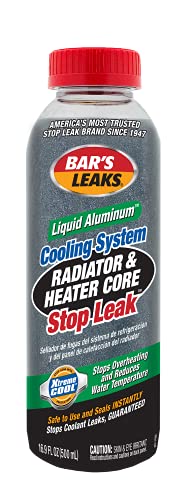
This Bar’s Leaks formula focuses on aluminum, plastic, and metal radiators with a liquid aluminum stop leak design. It claims to seal radiator leaks and freeze plug gaps while also addressing gasket and heater core issues. The product is positioned to lower water temperature through enhanced sealing, potentially reducing overheating incidents caused by leaks.
Considerations: This option is well-suited for leaks around radiators, freeze plugs, and related seals. Since it includes aluminum-compatible seal materials, it’s a practical pick for modern cooling systems. Users should monitor for any signs of continued leakage or temperature changes that might indicate a more complex problem beyond a sealant’s scope.
Bar’s Leaks Radiator Stop Leak, 11 oz

Bar’s Leaks Radiator Stop Leak uses a dissolved pelletized formula designed to seal internal, external, and coolant-to-oil leaks. It’s marketed as effective for larger leaks compared to some other stop-leak products and claims compatibility with plastic, aluminum, and metal radiators, heater cores, blocks, heads, gaskets, and freeze plugs. The included water pump lubricant provides seal protection while inhibiting rust and corrosion.
What to expect: This product is positioned for moderate-to-severe leaks where a stronger seal is beneficial. It emphasizes preventing future leaks by lubricating the pump seal and counteracting rust. For best results, follow mixing guidelines and avoid overfilling beyond manufacturer recommendations.
Liqui Moly Radiator Stop Leak

Liqui Moly Radiator Stop-Leak provides immediate sealing for leaks in all cooling systems with water-carrying capabilities. The formula aims to protect the combustion chamber from coolant-related damage and supports systems with or without water filters. It’s marketed as a comprehensive coolant-seal solution that works across various materials and configurations.
Strengths: Liqui Moly is known for its chemistry-forward approach and broad compatibility. It’s a solid option for owners who want a single product that covers a wide range of potential leak sites. As with other sealants, performance depends on leak size and system condition; large leaks may require more invasive repair.
Prestone AS145 Stop Leak Repair for Radiators

Prestone AS145 Stop Leak Repair is designed to halt leaks in radiators, heater cores, and hoses with a blend of natural and synthetic components. It supports sealing leaks up to a specified small dimension and includes corrosion inhibitors to protect against pitting and rust. It is presented as a quick, straightforward fix that doesn’t require special tools or expertise.
Takeaway: Prestone emphasizes ease of use and system protection. It’s a practical choice for everyday drivers dealing with minor leaks, especially when a fast, DIY repair is desirable. Monitor coolant levels and temperature to ensure the seal remains effective after application.
Buying Guide: Key Purchase Considerations And Comparisons
Choosing the right sealant depends on several factors, including leak size, radiator material, and the overall condition of the cooling system. Here are important considerations to help you compare options:
- Leak size and location: Small seepage around hoses or valve stems may respond to gentler formulas, while larger leaks may require stronger, iron-based or aluminum-friendly seals.
- Compatibility: Ensure the product is compatible with your coolant type (ethylene glycol-based antifreeze, propylene glycol, etc.) and the materials in your cooling system (plastic, aluminum, copper, steel).
- System condition: If the radiator, gasket, or heater core already shows significant corrosion, a sealant may be a temporary fix. A professional assessment is advised for critical failures.
- Ease of use: One-step pour formulas are convenient for DIY maintenance. Some products require pre-mixing or specific pour rates for best results.
- Protection features: Look for Rust inhibitors and pump-lubricating properties that help extend the life of the cooling system beyond sealing leaks.
- Longevity expectations: Permanent-seal claims vary by product and leak type. Treat any sealant as a potential temporary measure until permanent repairs can be performed.
- Warranty and testing: Some brands offer leak-sealing warranty considerations; check product instructions for test and application steps to avoid improper usage.
For consumers aiming to maximize reliability, a balanced approach is to select a product designed for your specific leak profile (small vs. larger leaks) and cooling-system material, and to combine sealant use with a subsequent inspection or professional service if symptoms persist or reappear.