Best Outboard Motors for Boating and Fishing: Top Picks for 2026
Finding a reliable outboard motor is essential for safe and enjoyable water adventures. This guide highlights five well-regarded options across different power ranges, cooling systems, and installations. Each selection emphasizes durability, efficiency, and ease of use to help you choose a model that fits your boat size, water conditions, and travel plans. Read on for concise product insights, a quick comparison, and a practical buying guide to help you compare performance, maintenance, and value.
| Product | |||
|---|---|---|---|
| LIWBYYG 2 Stroke 18HP | LIWBYYG | 18 HP / 2-stroke | Water cooling, CDI ignition, noise reduction |
| Newport NT300 Electric Outboard | Newport Vessels | 3 HP / Electric | Low noise, long range, digital throttle |
| BJTDLLX Short Shaft 12 HP | BJTDLLX | 12 HP / 2-stroke | Three-speed cruise, light aluminum build |
| 52CC 2.3 HP Outboard | KTYHNPM | 2.3 HP / 2-stroke | Forced air cooling, quick start CDI |
| Cbhfmljd 18HP Hangkai | Cbhfmljd | 18 HP / 2-stroke | Water cooling, 360° steering, quiet operation |
Note: Prices are not displayed here. Availability and specific configurations can vary by retailer and region. Each model below is evaluated on build quality, cooling efficiency, ignition reliability, and ease of installation and maintenance.
LIWBYYG 18HP Outboard Motor — Strong Power, Quiet Operation

This LIWBYYG model uses a lightweight aluminum alloy frame with spray-painted finishing for corrosion resistance in both salt and freshwater environments. It features a large muffler to minimize noise, resulting in an operating sound near 80 decibels. The water-cooled system helps maintain optimal temperatures during extended use, and the CDI ignition ensures quick, reliable starts. A streamlined 8-inch, three-blade propeller reduces water resistance and improves thrust, while a tail-plate clamping bolt enhances stability on the transom. Suitable for small to mid-sized craft, this motor balances power and portability for serious anglers and recreational boaters alike.
Features to consider: two-stroke design delivering up to 18 HP and 5500 RPM, durable aluminum construction, noise reduction measures, and safety features like a stable mounting system and reliable ignition. Typical maintenance includes periodic lubrication, inspection of cooling passages, and checking the propeller for damage after use in debris-filled waters.
Newport NT300 Electric Outboard — Quiet, Efficient, And Portable

The NT300 is a compact electric outboard designed for calm-water journeys in saltwater or freshwater. With 110 pounds of thrust equivalent and a 36V system, it offers quiet operation, no emissions, and a practical 66-mile range under favorable conditions. Its digital throttle, 24.6-inch shaft, and 9.8-inch two-blade composite propeller provide precise control. Trim and tilt options (0°, 7°, 14°, 21°, and 70°) support diverse water conditions, while field-oriented control ensures smooth response. Long runtimes—up to 30 hours—make it well-suited for endurance trips and day-long fishing sessions, provided battery management and weight limits are observed.
Considerations include battery life, charging setup, and weight of the motor combined with the boat. Electric options reduce noise and maintenance compared with gasoline engines but require planning for recharge or replacement of batteries during extended outings.
BJTDLLX 12HP Short Shaft — Durable, Multi-gear Cruise

The BJTDLLX 12 HP outboard provides a balance of power and portability with a 5500 RPM, efficient water cooling, and a robust aluminum body. It supports three forward speeds with a forward, neutral, and reverse gear system for versatile cruising. The unit is designed to resist corrosion and withstand saltwater exposure, making it a dependable choice for smaller boats, inflatable crafts, and compact fishing setups. With straightforward installation and a reliable CDI ignition, it offers a practical option for hobbyists and small skiffs.
Key points include the lightweight construction for easier handling, reliable cooling to prevent overheating, and a simple control layout that favors on-the-water adjustments without complex maintenance. Regular checks should include fuel lines, cooling systems, and gear engagement to ensure smooth operation at launch and during trips.
52CC 2.3 HP Outboard — Quick Start And Efficient Cooling
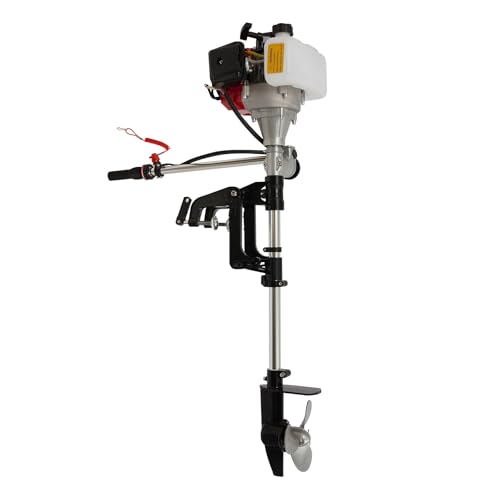
This compact 2.3 HP two-stroke model emphasizes rapid start and practical fuel efficiency. With forced air cooling and a CDI ignition, it offers a straightforward, reliable power source for smaller boats and shore-fishing setups. It can reach up to 8500 RPM and is designed for short-duration use with modest fuel consumption. The engine is well-suited to lightweight craft and auxiliary purposes, such as dinghies, sailboats, or small inflatable boats where ease of maintenance and portability are paramount.
Considerations include suitability for boat size, expected travel speed, and how often you will use the motor. For occasional use or as a secondary engine, this model provides a simple, budget-conscious option with quick-start capabilities and reliable cooling to preserve engine life during short trips.
Cbhfmljd Hangkai 18HP — Robust Power With Water Cooling

The Cbhfmljd Hangkai 18HP motor combines substantial horsepower with an effective water cooling system, supporting reliable operation under heavier loads. The design emphasizes a compact form factor and a high-torque profile for pulling power on larger craft. Features include 360-degree steering rotation, allowing for seamless reverse and maneuvering, and a start-in-gear protection mechanism to prevent unintended prop rotation at idle. The unit is built for durability and quiet operation, ensuring a comfortable on-water experience for fishing trips and weekend outings alike.
Key notes include steering versatility, ease of maintenance, and noise management through thoughtful design. Regular checks should include the cooling passages, ignition timing, and gear reliability to maximize performance over a long service life.
Buying Guide: Key Purchase Considerations And Comparisons
Choosing the right outboard motor depends on boat size, water conditions, and intended use. Consider these factors to balance performance, maintenance, and value:
- Power and propulsion needs: Match horsepower with boat weight, deck space, and typical load. Heavier boats may require higher-horsepower units, while lighter craft can benefit from smaller engines for efficiency.
- Fuel type and maintenance: Gasoline two-stroke engines are powerful and lightweight but require more frequent maintenance and fueling logistics. Electric motors offer quiet operation and low maintenance but require charging infrastructure and battery capacity planning.
- Cooling system: Water-cooled engines generally run cooler and more efficiently in long sessions, especially in saltwater. Air-cooled designs may suffice for light use but can overheat with heavy loads.
- Ignition and reliability: CDI ignition systems provide quick starts and reliable ignition, while modern digital throttles offer precise control for smooth acceleration and throttle response.
- Installation and compatibility: Check shaft length, mounting pattern, and propeller size. Ensure the engine weight and mounting hardware suit your boat transom and structure.
- Maintenance and serviceability: Look for engines with widely available spare parts, accessible fuel lines, and clear maintenance intervals. Consider local service options and support from the manufacturer or retailer.
- Noise and environmental impact: Noise dampening features and emission considerations may influence your choice, especially on busy lakes or rivers with strict regulations.
How to compare at a glance: for small boats or kayaks, consider lighter, lower-horsepower models with efficient cooling and easy start systems. For mid-sized craft, prioritize reliable ignition systems, good mounting stability, and propeller efficiency. For larger or saltwater vessels, prioritize cooling capacity, corrosion resistance, and robust mounting hardware. Always verify warranty terms and service coverage when evaluating options.