Best Solenoid Valves for Cars: Top Auto Replacement Picks
Solenoid valves play a critical role in modern vehicles by controlling vacuum and emissions systems, improving performance, efficiency, and reliability. The following selections come from established brands and cover common fitments across several American-market models. Each option is presented with key features, compatibility notes, and a direct link to the product page for convenient browsing.
Summary Table
- A-Premium VVT Intake & Exhaust Camshaft Position Actuator Solenoid Valve Kit
- Reeauto Vapor Canister Purge Valve Solenoid
- carleef Car Vacuum Purge Valve Solenoid
- PANNUOSCS Vacuum Vapor Canister Purge Valve Solenoid
- LDCRE Transmission Torque Converter Clutch Solenoid
Product Overview and Guidance
Choosing the right solenoid valve involves confirming compatibility with your vehicle’s make, model, and engine displacement. It’s also important to consider OEM-equivalent fitment, warranty coverage, and ease of installation. The following five products offer broad compatibility, clear replacement references, and detailed specification notes to help buyers compare options for a range of domestic and imported vehicles. Each section below highlights the core benefits and practical considerations for the respective product.
A-Premium VVT Intake & Exhaust Camshaft Solenoid Kit

The A-Premium kit provides both intake and exhaust solenoids designed to replace the VVT solenoids for multiple GM engines, including 2.0L, 2.2L, and 2.4L variants. Compatibility spans across Chevrolet Equinox, HHR, Malibu, Cobalt, Captiva Sport, Orlando, and GMC Terrain, with additional cross-compatibility for Buick, Pontiac, and Saturn models. Reference numbers such as 12655420 and 12655421 help verify OE-equivalent replacements. The kit aims to restore proper cam timing and emissions control, addressing symptoms like rough idle, reduced fuel economy, or misfires associated with faulty solenoids.
Key considerations:
- Broad fitment across GM-based platforms and several related brands.
- Includes both intake and exhaust solenoids for a complete replacement.
- OEM-reference compatibility supports straightforward verification before purchase.
Installation and performance notes:
- Aligns with the referenced OE part numbers to minimize fitment risk.
- Designed to restore timing control and engine efficiency when compared to worn solenoids.
- Best used when symptoms indicate VVT solenoid or timing issues; verify with diagnostic codes first.
Reeauto Vapor Canister Purge Valve Solenoid

The Reeauto purge valve solenoid is positioned as a direct replacement compatible with a range of GM and Cadillac applications, including GMC Acadia, Terrain, Impala, Traverse, SRX, and Buick Enclave, among others. OEM references listed (12610560, 55593172, 911-082) aid in confirming fitment. By controlling the evaporative emissions system, the valve helps manage fuel vapor recapture and can contribute to cleaner operation and compliance with emissions testing.
Key considerations:
- Direct replacement aiming to mirror original functionality.
- Wide vehicle compatibility across GM-family SUVs and sedans.
- Vendor emphasizes maintaining proper evaporative system operation for efficiency and emissions control.
Performance notes:
- Proper purge valve operation supports consistent engine performance and startup behavior related to fuel vapor management.
- Ensure correct OEM references during purchase to avoid mismatches for your specific vehicle configuration.
carleef Purge Valve Solenoid Replacement

The carleef purge valve solenoid is marketed as an OEM-equivalent replacement with emphasis on improving fuel efficiency through more precise purge control. It lists broad compatibility including Pontiac Vibe (via other models), Mazda, Toyota, Scion, Lexus, and more, with a caution to verify OEM numbers on the egr/valve to ensure compatibility. The replacement part number guidance targets OEM 90910-12276, suggesting careful cross-reference during purchase.
Key considerations:
- Claims direct replacement compatibility and potential fuel-economy benefits.
- Broad, cross-brand applicability with a focus on correct OEM-number matching.
- Helps manage vacuum control in the canister purge system, potentially stabilizing idle and startup.
Installation and performance notes:
- Double-check the OEM number to avoid mismatches after installation.
- Enhanced control of purge flow can contribute to consistent combustion and efficiency.
- Not all vehicles use the same purge valve configuration; confirm fitment before purchasing.
PANNUOSCS Vacuum Vapor Canister Purge Valve Solenoid
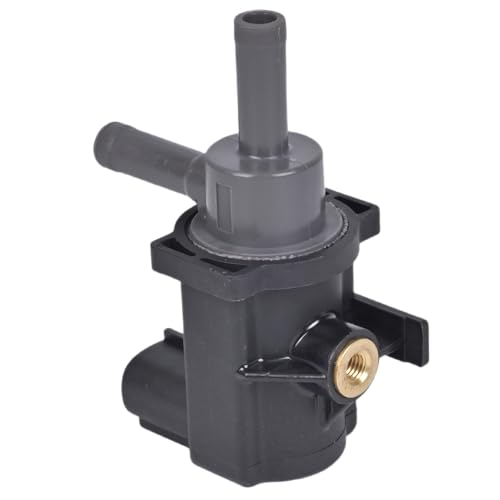
PANNUOSCS offers a purge valve solenoid designed to serve as a replacement for multiple Toyota and related models, while also referencing compatibility for other makes and engine configurations. The listing describes a durable construction using a combination of plastic and metal, and emphasizes its role in regulating vacuum flow for the evaporative emissions system. The product notes the associated OEM reference numbers for model matching and a focus on preventing stalling or poor starting after refueling.
Key considerations:
- Durable build with emphasis on long-term reliability.
- Clear reference to several Toyota models and other brands for cross-compatibility.
- Part numbers and compatibility notes aid in accurate purchasing decisions.
Installation and performance notes:
- Correct fit often hinges on OEM compatibility; verify numbers before ordering.
- Proper purge control can improve startup reliability and fuel vapor handling.
- Match the valve type (vacuum/vapor purge) to your vehicle’s system configuration.
LDCRE Transmission Torque Converter Clutch Solenoid

The LDCRE solenoid is positioned for Subaru CVT applications, with fitment notes including Crosstrek, Forester, Legacy, Outback, and Impreza. The description highlights calibrations around 12.2–13.2 ohms and references specific vehicle transmissions (TR580/TR690). This component operates within the torque converter clutch control system, helping manage slip and locking behavior to optimize efficiency and power transfer. It’s important to confirm vehicle-specific wiring and connector compatibility when selecting this solenoid.
Key considerations:
- Specialized for Subaru CVT models; verify exact model and transmission code.
- Electrical specifications (ohm range) guide proper selection and installation.
- Provides replacement for known torque converter clutch solenoids in certain Subaru models.
Installation and performance notes:
- Correct fitment reduces risk of torque converter behavior issues or limp mode.
- Ensure harness connectors and electrical specs align with your vehicle’s requirements.
- Performance impacts include smoother engagement of the torque converter clutch and improved drivability.
CARMOCAR EGR Pressure Feedback Sensor and Vacuum Solenoid

The CARMOCAR kit combines an EGR pressure feedback sensor with a vacuum solenoid valve, marketed as a replacement for a broad array of Ford trucks and SUVs, including F-150, Expedition, Explorer, and others. The listing outlines compatibility with multiple Mercury, Lincoln, and Jaguar configurations, emphasizing OEM-reference alignment for dependable performance. Replacement components aim to restore accurate EGR pressure feedback and purge control, contributing to emissions compliance and engine response.
Key considerations:
- Multi-vehicle compatibility with emphasis on EGR system control.
- Replacement parts designed to match OEM function and performance.
- Cross-brand references require careful OEM-number validation to ensure proper fit.
Installation and performance notes:
- Accurate identification of the required OEM numbers is essential before purchase.
- Proper operation of EGR and purge systems supports emissions and engine performance.
- Wire harness compatibility and connector type should be checked during installation.
Buying Guide: Key Purchase Considerations
When selecting solenoid valves for automotive use, consider these core factors to optimize compatibility, reliability, and performance:
- Vehicle compatibility: Confirm the exact make, model, year, and engine displacement. OEM part numbers are the safest way to verify fitment across parts lists and dealership databases.
- Function and system: Distinguish whether you need intake/exhaust camshaft solenoids, purge valves, or torque converter clutches. Ensure the valve is designed for the specific system (VVT, EVAP, EGR, or transmission) you’re servicing.
- OEM reference confidence: Look for listings that provide OEM numbers or clear cross-reference data. This reduces the risk of mismatches and improves diagnostic accuracy.
- Material and durability: Durable plastic-metal composites are common; assess build quality, corrosion resistance, and expected lifecycle under typical driving conditions.
- Ease of installation: Some kits include both intake and exhaust solenoids or offer direct replacements, which can simplify installation. Check for necessary wiring, seals, and instructions.
- Warranty and return policy: Prefer sellers offering warranties or return windows to accommodate compatibility concerns.
- Pricing strategy: Compare multiple candidates for cost efficiency while ensuring authenticity and fitment. Don’t assume the lowest price equals best value if it risks mismatch or failure.
In practice, buyers should cross-check with the vehicle’s service manual or a trusted parts database to confirm compatibility. For models with shared platforms (GM family, Toyota/Lexus cross-compatibility, Subaru CVT systems), verify that the replacement part aligns with the engine code, transmission type, and emissions controls. While replacement solenoids can restore performance, improper installation or incorrect specifications may lead to continued drivability issues or non-compliance with emissions standards.