Best Sound Deadening Insulation for Cars to Quiet Your Ride
Choosing the right sound deadening insulation for your vehicle can dramatically reduce road and engine noise, improve cabin comfort, and enhance audio system performance. This guide reviews top-rated materials available on Amazon, focusing on durability, installation ease, and overall value. Read on to compare thickness, weight, and heat-blocking capabilities to find the best fit for your car, truck, or SUV.
| Product | Brand | Thickness | Area | Key Benefit |
|---|---|---|---|---|
| KILMAT 80 mil 36 sqft | KILMAT | 80 mil | 36 sqft | Very sticky, thick butyl insulation for strong noise dampening |
| Amazon Basics Car Sound Deadening Mat 14.5″ x 10″ (Pack of 10) | Amazon Basics | Not specified (butyl-based) | 10 pieces | Affordable, self-adhesive with front aluminum foil for heat insulation |
| Siless Liner 157 (4 mm) 36 sqft | Siless | 4 mm | 36 sqft | Closed-cell foam with adhesive layer; excellent heat blocking and waterproof |
| Siless Liner 157 mil (4 mm) 36 sqft Aluminum Foil Finish | Siless | 4 mm | 36 sqft | Aluminum finish enhances heat reflection; strong thermal barrier |
| CUKWUYBY Sound Deading Material Car 80mil (2mm) 36 sqft | CUKWUYBY | 80 mil (2 mm) | 36 sqft | Three-layer construction for effective 3-layer noise reduction |
Product picks in this guide emphasize a balance between thickness, adhesive strength, heat resistance, and ease of installation. Each option can help reduce cabin noise, block heat transfer from the engine and road, and improve overall driving comfort. The following sections provide focused looks at five standout products, with practical notes on how to apply them for typical vehicles and DIY enthusiasts.
KILMAT 80 mil 36 sqft Sound Deadening Mat

KILMAT 80 mil, sized at 36 square feet, is a thick automotive butyl-and-foil deadener designed for DIY installations. The high thickness improves damping effectiveness, making it a strong choice for those seeking noticeable reductions in road and vibration noise. The material is described as very sticky with a self-adhesive backing, which helps secure it to complex contours in automotive panels. Weight considerations are favorable for a product of this thickness, and KILMAT emphasizes ease of use for car owners performing their own installation projects.
Key considerations include the enhanced performance associated with the 80 mil thickness and the material’s overall density. While the tackiness supports initial placement, thorough surface preparation and careful heat management during installation can maximize adhesion and long-term performance. Users have reported a straightforward DIY process, especially when panels can be worked in segments with the foil-backed butyl layer facing the interior cabin space.
KILMAT 80 mil 10 sqft Car Sound Deadening Mat

This variant mirrors the same 80 mil composition as the larger kit but on a smaller 10-square-foot area, making it suitable for targeted applications like doors, trunks, or dash panels where space is constrained. The butyl-and-foil combination and self-adhesive backing remain the defining features, delivering similar dampening performance in a more affordable, compact package. The material’s lightweight nature also supports easier handling during installation.
Pros include easier manageability for first-time installers and the potential to treat high-noise zones without committing to full-panel coverage. A practical approach is to start with the loudest panels—doors and rear hatch—before expanding to trunk liners or floor pans. Thorough cleaning and scuffing of the metal surface can improve the adhesive bond and long-term durability.
Amazon Basics Car Sound Deadening Mat (Pack of 10)

Amazon Basics offers a cost-conscious option with a 10-piece set designed to reduce vibrations and road noise. The product uses a butyl rubber substrate with a reflective aluminum foil facing, which serves both sound attenuation and thermal insulation purposes. The self-adhesive backing aids placement, and the foil layer can help reflect heat away from interior spaces. This kit is well-suited for budget-conscious buyers who still want dependable performance.
When applying these mats, consider a phased approach across the vehicle: first seal the most exposed panels (doors, floor under seats), then address rear compartments and the trunk area. The reflective foil contributes to thermal management, especially in hotter climates where cabin heat can escalate interior noise and discomfort.
Siless Liner 157 (4 mm) 36 sqft Car Sound Deadening
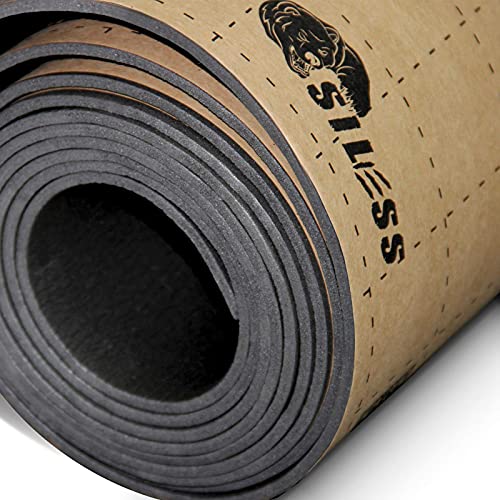
Siless Liner 157, at 4 mm thickness, combines closed-cell polyethylene foam with a strong adhesive layer, delivering effective vibration damping and heat insulation. The product is highlighted for its waterproof properties and compressibility, which helps it fit curved panels and irregular shapes. The material is marketed as high value, noting that the cost per square foot is significantly lower than some competitors, making it an attractive option for broader coverage within a budget.
Key advantages include its waterproof nature and ease of installation with or without a roller. The closed-cell foam formulation reduces interior moisture issues and offers a reliable barrier against engine heat and road-induced vibrations. Users should prepare surfaces by cleaning and roughening where necessary to maximize adhesive performance.
Siless Liner 157 mil (4 mm) Aluminum Finish Car Deadening

This Siless option features a 4 mm closed-cell foam with an aluminum foil finish, offering an enhanced heat reflective layer alongside sound deadening properties. The aluminum finish can improve heat management in sunny climates and hot engine bays, helping to maintain cabin comfort. The 157 mil designation corresponds to a relatively thick mat that can deliver strong damping effects, especially on larger panels and floor areas.
Consider pairing these sheets in zones prone to heat exposure, such as the door skins and underbody panels, to maximize both acoustic and thermal benefits. Like other Siless products, adhesive performance and surface preparation remain critical for long-term adhesion.
CUKWUYBY 80mil Car Sound Deadening Mat (36 sqft)

CUKWUYBY offers an 80 mil, three-layer design aimed at achieving strong noise reduction across doors and floors. The 36-square-foot area provides ample coverage for most mid-sized vehicles, and the three-layer construction blends a heat-reflective foil with a vibrational damping core and a robust adhesive backing. This configuration supports effective reduction of road, wind, and engine noise while contributing to thermal comfort by limiting heat transfer.
Installation tips include segmenting panels and using clean, dry surfaces to optimize bond strength. The waterproof nature of the material helps it endure moisture exposure in door cavities and wheel wells, supporting long-term performance.
Buying Guide: Key Purchase Considerations
- Thickness and damping: Thicker materials generally offer more robust vibration dampening, but consider vehicle size and target areas. For larger cabins or louder vehicles, thicker mats can deliver noticeable improvements.
- Adhesive strength and surface prep: A clean, roughed-up surface improves adhesion. Use primer if recommended by the manufacturer and allow adequate curing time before driving the vehicle.
- Heat management: Foil or aluminum-faced products help reflect heat, which can reduce interior heat buildup and improve acoustics in hot climates.
- Waterproofing and moisture resistance: Closed-cell foams and waterproof linings minimize moisture-related issues in door pockets, trunks, and wheel wells.
- Cost per square foot: Some options offer lower per-square-foot costs when purchased in larger kits; factor in installation effort and potential waste when comparing value.
- DIY feasibility: Most products are designed for DIY installation, but success depends on panel access, vehicle geometry, and patience for meticulous placement.
- Compatibility and purpose: For soundproofing, prioritize materials with strong damping properties and reliable adhesion. For thermal management, consider foil-faced options to enhance heat reflection.
- Coverage planning: Start with the most noise-affected zones (doors, floor, trunk) and expand as needed. This approach helps manage effort and budget while achieving meaningful results.
In sum, selecting the right car sound deadening insulation involves balancing thickness, adhesive quality, heat resistance, and budget. The five products highlighted here offer a spectrum of options—from premium, thick dampers to economical, multi-pack solutions—so you can tailor installation to your vehicle and comfort goals. Always follow manufacturer guidelines for surface preparation and curing to maximize performance and longevity.