Best Spare Fuel Tank for Trucks: Top Picks and Practical Buying Guide
The right spare fuel tank can extend range, improve refueling flexibility, and reduce downtime on long hauls or remote routes. This guide highlights five credible options, explains what makes them suitable for trucks, and compares key features to aid your decision. Below is a quick summary table of the chosen products to help you scan for capacity, fit, and durability at a glance.
| Product | Brand | Capacity | Notes |
|---|---|---|---|
| TRQ Gas Fuel Tank | TRQ | 16 gal | Vehicle-specific fit; OE replacement style |
| Dorman 576-334 Fuel Tank | Dorman | See listing | Direct replacement for select Chevy/GMC |
| TITAN Fuel Tanks 7020217 | TITAN Fuel Tanks | 55 gal | Mid-ship, uses stock sending unit |
| Better Built 29211584 | Better Built | 36 gal | Rigid construction with baffles |
| Dee Zee DZ92556NSB | DEE ZEE | 14 ga steel | Heavy-duty with stability baffles |
TRQ Gas Fuel Tank 16 Gallon

The TRQ 16-gallon fuel tank is designed as a direct fit and OE replacement for compatible GM trucks and SUVs. Features emphasize vehicle-specific compatibility and an aftermarket reference number for fitment checks. This tank targets a straightforward installation as a spare to extend range without altering existing systems.
Dorman 576-334 Fuel Tank For Chevy/GMC

Dorman’s 576-334 fuel tank provides a reliable direct replacement for select Chevrolet and GMC models. Built with durable materials for long service life, the tank emphasizes a quality-fit validation that helps ensure proper installation and durability in harsh conditions.
TITAN 55-Gallon Replacement Fuel Tank

TITAN’s 55-gallon tank represents a substantial capacity upgrade for compatible Ford F-250/F-350 crew cab trucks. It is designed as a mid-ship, direct replacement that preserves the stock sending unit and maintains compatibility with popular aftermarket fuel systems. No interference with steps or air bag systems is indicated, aiding straightforward installation.
Better Built 36-Gallon Steel Transfer Tank
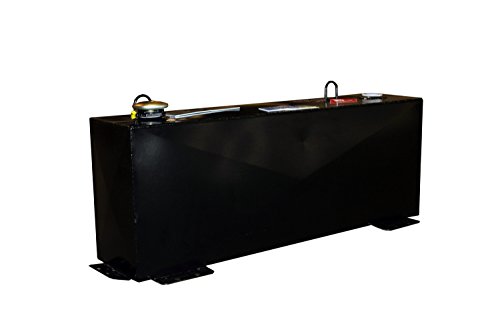
Better Built offers a robust steel transfer tank with a generous 36-gallon capacity. Features include an automatic shutoff to control overfill and built-in baffles to minimize movement of contents during transport, enhancing safety and stability during refueling and travel.
Dee Zee DZ92556NSB Transfer Tank

DEE ZEE’s DZ92556NSB is built in heavy-duty 14-gauge steel with a radius curve to reduce weld stress points. It includes five stability baffles and a drain plug for controlled dispensing, offering a rugged option for serious fuel hauling tasks and fleet use.
Buying Guide
Key considerations when selecting a spare fuel tank for a truck include capacity needs, fitment, and installation complexity.
- Capacity and range: Larger tanks like a 55-gallon Titan model provide extended range, but may be heavy and require space planning in the chassis and underbody areas. Smaller 14–36 gallon options can be easier to install and still meet regional driving requirements.
- Vehicle compatibility: Check vehicle-specific fitment information and OEM compatibility. Some tanks are designed to replace exact factory tanks, while others are universal or semi-fits requiring mounting brackets or adapters.
- Material and durability: Steel tanks offer ruggedness, while high-density polyethylene tanks resist corrosion and are lighter in weight. Consider climate exposure and potential road salt usage.
- Safety features: Look for overflow protection, baffling to minimize liquid movement, and secure caps or locks to deter tampering or loss during transit.
- Installation and serviceability: Some tanks come with lock rings and easy-to-follow installation steps; others may require professional mounting, fuel line routing, and sending unit compatibility checks.
- Aftermarket ecosystem: Compatibility with sending units, fuel filters, and fuel transfer accessories can affect performance and reliability, particularly for larger capacity tanks or aftermarket pumps.
- Warranty and support: Choose brands offering clear warranty terms and accessible customer support to address fitment or installation questions.
Potential trade-offs between capacity, weight, and undercarriage clearance should be weighed against your typical usage—daily commuting, long-haul trucking, or off-road work. Reliability, ease of installation, and availability of replacement parts are also critical factors for fleet managers and weekend enthusiasts alike.