Best Tires for Jeep Compass Trailhawk: Essential Wheel Accessories and Upgrades
The Jeep Compass Trailhawk demands components that complement its off-road capabilities and drive quality. While tires are the primary upgrade for traction, the right wheel hardware and spacers can maximize ground clearance, wheel fitment, and stability. This article highlights five relevant Amazon products—lug bolts and spacers—that can help you achieve a safer, better-fitting tire setup for your Compass Trailhawk. Each section includes a quick overview, key specs, and practical considerations for responsible installation.
Product Comparison Snapshot
| Product | Brand | Key Benefit | Wheel Fitment Notes |
|---|---|---|---|
| Dynofit M12x1.25 Lug Bolts Set | dynofit | One-piece design reduces expansion/cracking; 72–80 ft-lbs torque | 2018+ Jeep Compass; 2014+ Cherokee; Aluminum wheels only |
| dynofit 12×1.25 OEM Lug Bolts | dynofit | Longer, safer replacement; black finish | 2018+ Compass; 2014- Cherokee; Aluminum wheels only |
| Gagsu 611-005 Wheel Lug Bolts | Gagsu | High-strength galvanized steel; corrosion resistant | 3rd-party OE references; fits 5×114.3 hubs |
| 2″ Wheel Spacers (Titan) | Titan Wheel Accessories | Improved clearance and stance | 5×4.5 bolt pattern; non-hubcentric |
| SCITOO 4pcs Wheel Spacers | SCITOO | Hub-centric compatible spacing; solid build | 5×110 to 5×110; studs included |
Dynofit M12x1.25 Lug Bolts Set
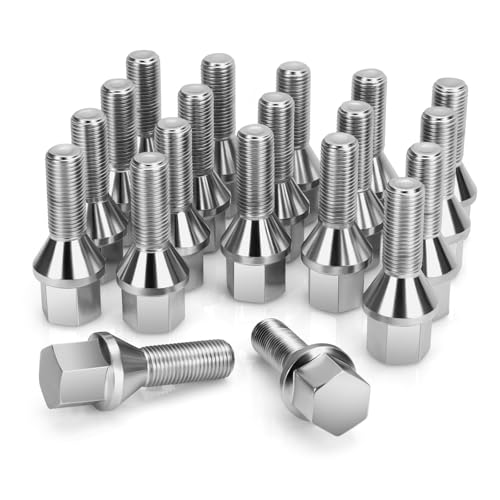
The Dynofit M12x1.25 Lug Bolts Set is designed for a range of Jeep and Chrysler models, including the Jeep Compass and Cherokee, with aluminum wheels specified. The set includes 20 lug bolts with a 28mm shank and 17mm hex, featuring a 60-degree conical seat for secure mounting. A one-piece design aims to reduce bolt expansion and cracking compared with original multi-piece designs. Reusability is enhanced by a torque target of 72–80 ft-lbs, typically achieved with a hand wrench. Ideal when upgrading to aftermarket wheels or addressing wear on OE hardware, this set emphasizes durability and consistent clamping.
Considerations: verify compatibility with your exact wheel material (aluminum vs iron) and wheel stud count. This product supports replacements where OEM references include 53182366, 6511051AA, and 611-005, but is limited to vehicles listed in its application notes. When using with 72–80 ft-lbs torque, ensure your torque wrench is calibrated and settings match your vehicle’s wheel torque requirements.
dynofit 12×1.25 OEM/Stock Wheel Lug Bolts

This set emphasizes OEM-style compatibility with a slightly longer profile to accommodate modern wheel assemblies. It lists OEM references 53182366, 6511051AA, and 611-005, aligning with Jeep Compass and Cherokee models from 2014 onward, plus 2015–2017 Chrysler 200 and 2013–2016 Dodge Dart (aluminum wheels only). The 60-degree conical seat and 28mm shank help maintain secure wheel engagement. A black finish provides corrosion resistance and a sleek appearance. As with any lug bolt replacement, proper torque (72–80 ft-lbs) and correct wheel material are critical for reliable performance.
Usage notes: this option is especially suitable when upgrading to compatible aftermarket wheels or replacing worn bolts while preserving OE alignment. Always confirm wheel stud compatibility and consult a professional if you’re unsure about aluminum vs iron wheel compatibility.
Gagsu 611-005 Wheel Lug Bolts
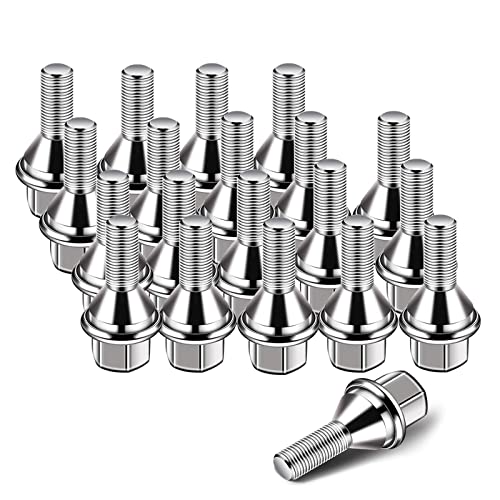
Gagsu’s wheels bolts are described as compatible with Jeep Cherokee, Compass, Renegade, Dodge Dart, and Chrysler 200 models, with OE references 53182366, 6511051AA, 611-005. The bolts feature M12x1.25 threading, a 19mm hex, and a 25mm thread length with a 60mm overall length. The manufacturer emphasizes a galvanized, high-strength steel construction to resist corrosion and wear, which is essential for off-road use. The 60-degree conical seat aligns with standard lug seating for secure mounting, and the product notes suggest improved durability over older two-piece designs. If you run wider tires or aftermarket wheels, verify hub bore compatibility and overall length to avoid contact with brake components.
Practical tip: ensure your wheel studs and hub tolerances match the provided specs. This is particularly important if you’re moving between factory wheels and aftermarket options or combining with spacers for fitment adjustments.
2″ Wheel Spacers (Titan)

These Titan wheel spacers provide a practical option for increasing track width and improving tire clearance. The spacers are 2 inches thick and designed for 5×114.3 bolt patterns, with a hub bore that is non hub-centric at 82.5mm. The product notes indicate compatibility with a range of vehicles, including Jeep Compass, Patriot, and other models that share similar hub characteristics. Spacers can help with slight tire/rim clearance issues or to achieve a more aggressive stance, but they require precise alignment and proper torquing of the mounting studs. Always confirm that the spacer thickness will not interfere with calipers or suspension components before installation.
Important safety note: non hub-centric spacers can introduce hub-centric alignment challenges, which can affect steering feel and wheel balance. If in doubt, choose hub-centric spacers or have the installation checked by a professional.
SCITOO 4pcs Wheel Spacers

SCITOO’s spacers kit includes four wheel spacers with studs and a hub-centric design, specified for 5×110 bolt patterns and 12×1.25 thread pitch. The package lists a 65.1mm hub bore and a 2-inch thickness, making it suitable for Jeep Cherokee, Compass, Renegade, Fiat 500X, Chrysler 200, and Dodge Dart models. The spacers are constructed from alloy aluminum 6061 T6 for durability and weight efficiency, and the included studs meet ISO/DIN 10.9 grade standards. When considering spacers, evaluate how they will affect wheel alignment, load distribution, and ultimate tire clearance—especially for Trailhawk variants with rugged suspension travel.
Note: ensure proper torquing of the lug nuts and verify that the added thickness does not push the wheel beyond caliper or fender clearance limits. If you plan to run larger tires, spacers can be a practical step, but professional alignment checks are advised after installation.
Buying Guide: Key Considerations For Jeep Compass Trailhawk Tire Upgrades
- Wheel compatibility: Confirm bolt pattern, hub bore, and offset compatibility with your Jeep Compass Trailhawk’s wheels and any aftermarket rims.
- Material and finish: Aluminum spacers and galvanized steel bolts offer different balances of weight, strength, and corrosion resistance. For off-road use, prioritize high-strength, corrosion-resistant components.
- Hub-centric vs non hub-centric spacers: Hub-centric spacers reduce potential vibration and improve balance compared to non hub-centric designs; consider hub-centric options when available.
- Tire clearance and suspension: Ensure spacers do not interfere with brake calipers, control arms, or suspension travel. Measure fender clearance and check for rubbing at full suspension articulation.
- Torque specifications: Use a calibrated torque wrench and adhere to manufacturer torque specs (often around 72–80 ft-lbs for many lug bolts). Re-torque after a short break-in period or after off-road use that may loosen fittings.
- Vehicle weight and load: Heavier loads or aggressive braking can influence lug bolt and spacer performance. Ensure all components are rated for your driving conditions.
- Professional installation: If you’re unsure about alignment, hub bore compatibility, or spacer selection, consult a qualified technician to avoid alignment or safety issues.
- Maintenance and inspection: Regularly inspect lug bolts, spacers, and wheel studs for signs of wear, corrosion, or loosening after driving on rough terrain or after tire upgrades.
These considerations help ensure that upgrading wheel hardware and spacers enhances your Jeep Compass Trailhawk’s tire performance without compromising safety or reliability. Always prioritize compatibility with your vehicle’s specific year, trim, and wheel choice, and follow best-practice procedures during installation and maintenance.