Best Torque Sensor E-Bike: Precision Pedal Assist for Smooth Rides
Torque sensor-equipped e-bikes provide a natural feel by measuring pedal effort and adjusting motor assistance accordingly. The following selections highlight reliable pedal assist sensors and related components that improve torque sensing, responsiveness, and overall ride quality. This guide helps you compare options that fit a wide range of bikes—from mountain bikes to commuters—while emphasizing durability, ease of installation, and interoperability with common e-bike systems.
| Product | Brand | Notable Feature |
|---|---|---|
| E Assistant Speed Sensor 12 Magnets Electric Pedal PAS System Assistant Sensor | Fafeims | Dual magnetic loop for dynamic torque detection; 1:1 pedal assistance |
| Pedal Assist Sensor, Electric Power Pedal Assist Sensor, ycle Pedal 12 Magnets E PAS System | Tbest | Dual-magnetic loop Hall sensor; ergonomic design |
| Chazcool Pedal Assist Sensor, 12 Magnets E Bike Pas System Assistant Sensor | Chazcool | Durable steel construction; easy installation |
| Cogster E-Bike Magnet Speed Sensor for 6-Bolt Rotors | COGSTER | High-precision speed measurement; compatible with 6-bolt rotors |
| Vivi ACE01 Electric Bike for Adults | Vivi | Torque-sensor-assisted ride with 1475W peak motor and long-range battery |
Note: The products listed below offer a mix of pedal assist sensing methods, torque-sensing capabilities, and related accessories. They are chosen for reliability, compatibility with common e-bike configurations, and clear installation guidance.
E Assistant Speed Sensor 12 Magnets Electric Pedal PAS System

The Fafeims E Assistant Speed Sensor provides a dual magnetic loop arrangement to detect dynamic pedal torque and converts it into a DC signal for the controller. This design supports a 1:1 power assist ratio, ensuring a direct and intuitive riding experience. Made with steel components and twelve magnets, it offers robust construction intended to withstand regular outdoor use. Installation is designed for compatibility with a range of electric bike configurations, which helps users retrofit or upgrade existing PAS-driven systems with greater precision. The sensor’s output is aligned with standard controller inputs, allowing for straightforward integration into most mid-drive or hub-motor setups that rely on pedal-generated torque data.
Key considerations: compatibility with common PAS systems, durability of the mounting interface, and how well the 1:1 assist translates pedal force into motor output. For riders seeking a responsive and natural-feeling boost, this unit’s dual-loop approach may improve torque detection in varying terrains, from steep hills to smooth asphalt. Potential installation attention includes aligning the magnets with the wheel or crank position and verifying that the controller accepts the DC signal from the sensor.
Chazcool Pedal Assist Sensor, 12 Magnets E Bike PAS System

The Chazcool pedal assist sensor emphasizes durability and ease of installation. Built from steel with a compact profile, it uses a double-magnetic Hall sensor to detect dynamic torque via a dual-m magnet setup, converting measurements into a DC signal that feeds the controller. The design prioritizes ergonomic compatibility with a broad range of e-bikes, particularly mountain and urban models, and aims to deliver reliable pedal feedback for extended rides. The package is described as straightforward to install, which is valuable for DIY enthusiasts seeking to upgrade their PAS without extensive wiring changes. The sensor’s performance hinges on precise alignment of magnets and sensor position to ensure consistent torque readings under varying pedaling force.
Design and performance highlights include robust materials, a focus on reliable torque data transmission, and an installation approach that minimizes interference with existing components. Riders looking for a dependable PAS upgrade that preserves natural pedal feel should evaluate magnet count, sensor sensitivity, and how the unit integrates with the bike’s existing electronics.
Cogster E-Bike Magnet Speed Sensor for 6-Bolt Rotors
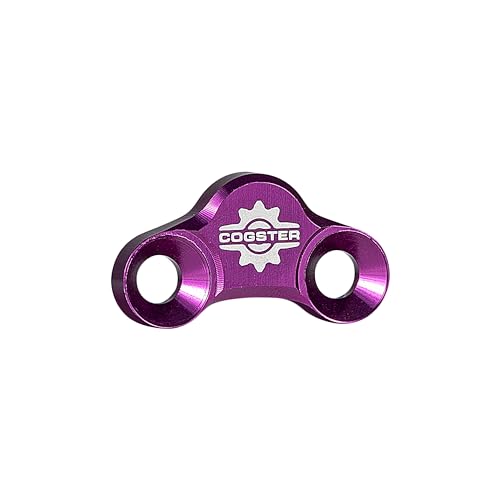
COGSTER’s magnet speed sensor targets precise speed data for e-bikes using 6-bolt rotors. While focused on speed rather than torque, accurate speed readings are a complementary element to torque-based power management, helping controllers optimize throttle response, regenerative braking, and overall performance. The sensor is constructed from durable aluminum (AL6061-T6), ensuring a balance between strength and light weight. It supports a wide range of rotor designs and is designed to withstand the rigors of aggressive riding, rough terrain, and daily commuting. For riders who want dependable speed data to pair with pedal-assist torque measurements, this sensor can be a valuable addition to a multifunctional e-bike setup.
Considerations include rotor compatibility, mounting options, and ensuring the sensor aligns correctly with the rotor to avoid interference with braking components or rotor wobble. It is best suited for riders seeking enhanced data reliability across both everyday and off-road rides.
Pedal Assist Sensor, 12 Magnets E PAS System for Mountain Biking

The Tbest pedal assist sensor emphasizes an ergonomic design and broad market compatibility for electric bicycles. It uses a dual-magnetic loop to detect dynamic torque via Hall effect sensing, converting perceived pedal effort into a DC signal that the controller can interpret. This arrangement aims to provide smoother and more proportional power delivery as you pedal, with the expectation that more natural torque sensing will translate to better hill-climbing performance and a steadier cruising experience. Its broad compatibility makes it an attractive option for riders who want a versatile PAS upgrade that works with many existing e-bike configurations.
Key factors to assess include the reliability of the dual-magnetic loop, ease of installation, potential interference with existing sensors, and how well the unit’s torque readings scale with pedal force across different terrains and rider weights. For those prioritizing a natural pedal feel, torque accuracy, and straightforward mounting, this sensor offers a balanced solution.
Vivi ACE01 Electric Bike with Torque Sensor

The Vivi ACE01 combines a fat-tire chassis with a reported torque-sensor-assisted ride, leveraging a 1475W peak motor to deliver strong acceleration and hill-climbing capability. The bike uses a 48V 15Ah removable battery, enabling flexible charging and extended range for off-road adventures. The torque sensor measures pedal effort and modulates motor output to match rider input, offering a natural feel that adapts to pedaling cadence and force. With a top speed around 25 mph and a robust chassis designed for rugged terrain, this e-bike targets riders who want substantial pedal assist that’s responsive yet controlled, so energy use remains efficient across varied terrains.
Important considerations for this option include battery weight and range, the true pedal feel provided by the torque sensor, and how the controller interprets torque feedback during rapid changes in pedaling speed. For riders seeking a high-performance, torque-sensor-assisted ride with a capable battery package, this model presents a strong all-around option.
Buying Guide: Key Purchase Considerations
Torque sensing vs. cadence sensing: Torque sensors measure the actual effort you apply to the pedals, providing proportional assist that changes with your pedaling intensity. Cadence sensors measure only pedal rotation speed, often resulting in less natural power delivery. For riders seeking a smooth, intuitive ride—especially on hills and technical trails—a torque sensor is generally preferable.
Compatibility and installation: Check motor type (hub vs. mid-drive), battery connections, and controller input compatibility. Some sensors are designed as direct replacements, while others require additional wiring or adapters. Consider whether you prefer a plug-and-play solution or are comfortable with more involved wiring and calibration.
Durability and materials: Steel components and rugged housings tend to withstand the vibrations and weather exposure of regular riding. For mountain biking or daily commuting, look for corrosion resistance, secure mounting points, and magnets with stable alignment.
Sensor reliability and magnetic setup: Dual-magnetic loop designs can improve torque detection accuracy in varying riding conditions. Ensure magnets are correctly positioned relative to the pedal crank or sensor to maintain consistent readings and avoid drift.
Performance versus price: A well-calibrated torque sensor can dramatically improve ride quality, but consider the total system cost, including potential controller upgrades and compatibility with existing e-bike components. For casual riders, a cost-effective sensor with easy installation may be the best choice; for enthusiasts, premium sensors offering precise torque mapping and programmability may justify the expense.
Maintenance and updates: Look for sensors with defined service intervals and accessible replacement parts. Firmware updates from the manufacturer can improve sensor accuracy and compatibility with newer controllers.
Environmental and safety considerations: Torque sensors should remain accurate in varying temperatures and weather conditions. Ensure waterproofing or weather-resistant connections, especially for riders in wet climates or winter environments.
Summary: When choosing a torque sensor or related PAS accessory, prioritize compatibility with your current motor type, sensor accuracy, and installation simplicity. Assess whether you value a highly natural ride feel, or if a budget-friendly upgrade that still improves pedal responsiveness meets your needs. For most riders, a dual-magnetic loop design and robust construction provide the best balance of accuracy, reliability, and ease of use.