Best Cold Air Intake Solutions for Toyota Tundra: Boost Engine Performance
Fans of the Toyota Tundra seek reliable cold air intake systems that improve horsepower, throttle response, and overall efficiency. This guide surveys top options designed for 2012–2021 Tundra models, highlighting features, performance claims, and key considerations. Below, you’ll find five carefully chosen cold air intakes with diversified brands to suit different goals—from maximum horsepower to balanced reliability and filtration quality.
| Product | Brand | Key Benefit | Fitment Notes |
|---|---|---|---|
| Rough Country Cold Air Intake 10546 | Rough Country | Increased horsepower; cooler, denser air | 5.7L V8; 2012–2021 Tundra |
| K&N NextGen Cold Air Intake System 50-9036 | K&N | Dyno-proven horsepower and torque | Compatible with 2012–2021 Tundra, Sequoia |
| RiAiCiING Cold Air Intake Kit | RiAiCiING | Less restrictive intake path; 5–10% horsepower gain | 2012–2021 Tundra 5.7L |
| K&N Cold Air Intake System 63-9036 | K&N | Guaranteed horsepower and torque increase | 2012–2021 Tundra, Sequoia |
| KAX Cold Air Intake Kit | KAX | Higher airflow; improved throttle response | Toyota Tundra 2012–2021 |
Note: Product pages link to Amazon for purchase. This article does not include price information and focuses on features, compatibility, and performance considerations.
Rough Country Cold Air Intake 10546

Rough Country’s cold air intake for the 5.7L V8 Tundra emphasizes cooler air intake with a premium, reusable air filter. The design aims to circulate denser air to increase oxygen delivery into the combustion chamber, potentially boosting horsepower and overall performance. Installation compatibility covers 2012–2021 Tundra models with the 5.7L engine. This kit focuses on durability and long-term filtration efficiency, appealing to buyers seeking a resilient component for enhanced engine breathing.
K&N NextGen Cold Air Intake System 50-9036

K&N’s NextGen system uses a hybrid airbox with a larger intake and semi-enclosed design to lower intake air temperatures and protect against contaminants. An oversized, non-restrictive air filter and a tuned airflow path are paired with a dyno-tested performance story, promising a horsepower and torque increase with minimal drone at cruising speeds. The system targets trucks requiring robust filtration and consistent airflow, aligning with Tundra owners who want reliable on-road and off-road performance improvements.
RiAiCiING Cold Air Intake Kit

RiAiCiING focuses on a less restrictive air path to deliver a noticeable horsepower and torque bump—claimed at 5–10% horsepower and 6–8% torque for 2012–2021 Tundra 5.7L. The kit highlights careful vehicle fitment checks and improved throttle response, especially beneficial when towing or climbing. Prospective buyers should verify compatibility with their exact model year and engine to ensure the correct fit and seal under the hood.
K&N Cold Air Intake System 63-9036
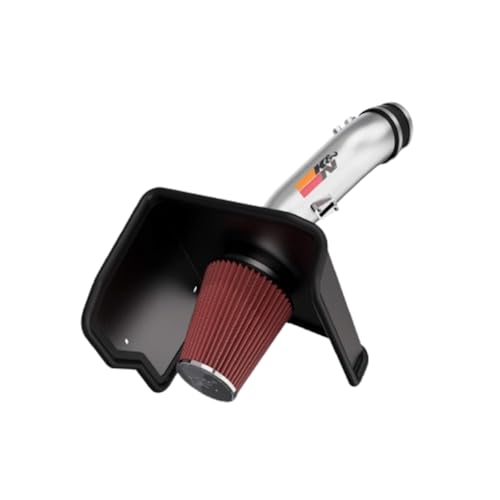
K&N’s 63-9036 cold air intake system emphasizes a guaranteed horsepower and torque increase, leveraging a less restrictive path for cooler, oxygen-rich air. Wheel-based dynamometer testing accompanies the product, allowing customers to compare results with their stock setup. Engine sound characteristics are designed to amplify on acceleration, while returning to a quiet tone at steady speeds, balancing performance with everyday driving comfort.
KAX Cold Air Intake Kit

The KAX cold air intake kit is designed to fit multiple Tundra model years, featuring a lightweight aluminum intake pipe and a heat shield to minimize intake air heat. The kit is marketed to deliver improved throttle response and a noticeable increase in horsepower and torque. A polished finish and enhanced airflow path aim to deliver a sporty engine note during acceleration, while maintaining a practical everyday driving profile for the Tundra.
Buying Guide: Key Purchase Considerations
- Engine compatibility and exact year fit: Confirm the specific Tundra model year and engine displacement to ensure proper fit and clearance under the hood.
- Airbox design vs. shielded intake: Hybrid or enclosure designs can lower intake temperatures, while shielded setups protect the filter from heat soak and debris.
- Filter quality and maintenance: Reusable, high-flow filters (like K&N) save filter costs over time, but require periodic cleaning and oiling according to the manufacturer recommendations.
- Dyno-derived performance claims: Look for tested horsepower and torque gains on wheel-based dynos. Real-world results vary by vehicle condition and exhaust setup.
- Sound and drone: Some users prefer a noticeable engine growl; others want a quiet cabin. Check user reviews for notes on in-cabin noise at highway speeds.
- Estimated airflow improvements: Higher airflow can improve throttle response, but it should be balanced with filtration and intake temperature considerations.
- Durability and warranty: Assess build materials (aluminum, seals, clamps) and any included warranty for long-term reliability in varied climates.
- Maintenance implications: Reusable filters require cleaning cycles; consider ease of access for filter replacement and cleaning intervals.
- Installation effort: Some kits require minor modifications, while others are direct bolt-on. Review included instructions and needed tools.
When selecting a cold air intake for your Toyota Tundra, consider your primary goal—whether it’s maximizing horsepower, improving throttle response, or achieving a deeper engine note—along with maintenance preferences and climate conditions. The options listed here represent a range of approaches from engineered, dyno-proven kits to robust, long-lasting enclosures. Always verify compatibility with your exact model and consult professional installation if you are unsure about fitment or sensor alignment.