Best Tuner and Upgrade Options for 7.3 Powerstroke Diesel
The Ford 7.3L Powerstroke is a respected workhorse, and upgrading its performance often starts with components that improve air flow, cooling, and turbo efficiency. This article highlights five compatible products that can complement your 7.3 setup, from turbo assemblies to intake upgrades and cooling enhancements. Each pick is selected for durability, ease of installation, and potential impact on engine performance without requiring a full engine swap.
Summary of chosen products:
| Product | Brand | Focus |
|---|---|---|
| A-Premium GTP38 Turbo Assembly | A-Premium | |
| Wicked Wheel 2 Billet Turbo Wheel | Bario | |
| PMFCA Oiled Cold Air Intake Kit | PMFCA | |
| Mishimoto Transmission Cooler | Mishimoto | |
| Back Pressure Valve Terminator | ZrAutomch |
A-Premium GTP38 Complete Turbo Assembly

The A-Premium GTP38 turbo features a complete assembly designed for Ford 7.3L Powerstroke engines from 1999 to 2003. This turbo model is specified for the F-series trucks and Excursions with the 7.3L Diesel. It includes important components such as the wastegate actuator and gaskets, but excludes the exhaust manifold. Material composition is listed as an alloy, balancing strength and heat resistance. Installers should verify fitment for their specific vehicle configuration, especially if upgunning from a factory charger. The kit aims to restore or improve turbo responsiveness and engine breathing under load.
Key considerations:
– Compatibility: Confirm vehicle year and model (1999-2003 7.3L Powerstroke) and whether the compressor housing has the required mounting configuration.
– Included parts: Wastegate actuator and gaskets are included; exhaust manifold is not.
– Durability: Alloy construction with emphasis on heat tolerance for diesel use.
– Installation: May require professional alignment of hoses and fittings to avoid boost leaks.
– Expected gains: Turbo replacement can restore peak power and cooldown efficiency, especially when paired with upstream intake and cooling upgrades.
Wicked Wheel 2 Billet Turbo Wheel Replacement

The Wicked Wheel 2 billet turbo compressor wheel is designed to optimize airflow in 1994-2003 7.3L Powerstroke diesels. This replacement wheel aims to improve throttle response and boost pressure handling, contributing to more efficient compressor operation. The product line emphasizes precise manufacturing for improved performance consistency across rpm bands. While this part focuses on the turbo wheel rather than a full turbo assembly, it can be a cost-conscious way to refresh turbo efficiency and reduce lag when combined with a compatible housing and seals.
Key considerations:
– Compatibility: Suitable for 1994-2003 7.3L Powerstroke engines.
– Performance aims: Enhanced throttle response and smoother surge characteristics.
– Compatibility messaging: The listing notes use with relevant 7.3L setups; verify fitment with your current turbo housing.
– Installation: Requires disassembly of the turbo assembly; professional service is recommended if you’re not an experienced technician.
– Quality signals: Billet construction suggests improved durability under high-boost conditions.
PMFCA Oiled Cold Air Intake Kit

The PMFCA oiled cold air intake kit for 7.3L Powerstroke is designed to maximize airflow and filtration with CNC mandrel-bent aluminum tubing. The kit claims compatibility across 1995-2003 F-series trucks and Super Duty models, offering resistance to heat and corrosion. For diesel engines, a well-designed intake directly affects turbo efficiency by reducing intake restrictions and maintaining cooler air through longer runs. As with any air intake upgrade, ensure proper charging system compatibility and follow vehicle-specific tuning requirements if any.
Key considerations:
– Fitment: Broad compatibility with 1995–2003 7.3L Powerstroke trucks and Excursions.
– Build quality: Aluminum with heat-resistant properties; CNC mandrel bends optimize air flow.
– Maintenance: Oiled filter requires regular servicing or replacement to maintain filtration efficiency.
– Performance impact: Potential gains in throttle response and low-to-mid torque delivery when paired with upstream charged air and intercooling improvements.
– Installation: Basic tools required; check for compatibility with existing piping and sensor placements.
Mishimoto Transmission Cooler

The Mishimoto MMTC-F2D-99SL transmission cooler is crafted for Ford Powerstroke 7.3L applications from 1999 to 2003, delivering a significant 10°F (5.6°C) reduction in transmission fluid temperature under verified testing. The cooler design features a 37-row stacked plate core, increasing core volume by 265% and adding about 1.0 quart of fluid capacity over the factory 9-row cooler. This upgrade aims to improve transmission longevity and reliability under towing or heavy use by mitigating heat soak that can degrade shifting performance and fluid life.
Key considerations:
– Cooling efficacy: Proven temperature reduction helps protect transmission components in high-heat conditions.
– Capacity gains: Larger core volume and added fluid capacity reduce heat buildup during extended use.
– Fit and compatibility: Specifically listed for 7.3L Powerstroke models in the late 1990s to early 2000s.
– Installation: Will require mounting space and line connections; check for clearance near the radiator and fans.
– Strength and warranty: Verify product warranty terms and ensure billet or plated fittings won’t corrode under road salt exposure.
Back Pressure Valve Terminator
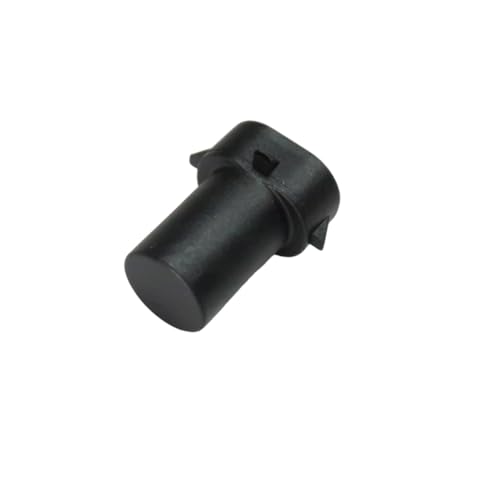
The Back Pressure Valve Terminator is designed for 1999–2003 7.3L Powerstroke engines. The part installs into the harness where the back pressure solenoid or actuator connects, offering a potential modification to exhaust back pressure management. This can influence turbo response and overall exhaust flow characteristics. As with other emission or control components, installation should confirm compatibility with your engine wiring harness, and users should be mindful of any impact on emissions compliance in their region.
Key considerations:
– Function: Targets back pressure solenoid integration within the harness, potentially altering turbo behavior.
– Compatibility: Explicitly listed for 7.3L Powerstroke 1999–2003 applications.
– Wiring implications: Verify connector types and harness routing to avoid interference with nearby components.
– Emissions: Ensure that changes comply with local regulations and testing requirements.
– Maintenance: Consider the reliability of the valve and its seals under diesel operating temperatures.
Buying Guide: How to Choose 7.3 Powerstroke Upgrades
When selecting performance upgrades for the 7.3 Powerstroke, it’s important to balance cost, compatibility, and the desired driving outcomes. Here are key purchase considerations and comparative angles from multiple perspectives:
- Purpose and goals: Are you chasing improved throttle response, increased boost stability, or better cooling under heavy use? Align parts accordingly (turbo assemblies and wheels for power, intakes for airflow, and coolers for heat management).
- Compatibility and model year: The 7.3L Powerstroke spans several years and configurations. Verify vehicle year, trim, and whether you have a single-tire or dual-tank setup, as fitment can vary.
- Installation complexity: Full turbo assemblies require more involved installation than a wheel swap or intake upgrade. Decide whether you’ll DIY or hire a pro, and factor in potential downtime.
- Durability and materials: Look for alloy or billet components for turbo and wheel upgrades, heat-resistant plastics or aluminum for air intakes, and corrosion-resistant finishes for cooling lines.
- Warranty and support: Check manufacturer warranties, return policies, and whether the product is backed by technical support in case of fitment questions.
- Emissions and legality: Some upgrades may impact state emissions testing. Ensure that modifications meet local regulations and do not inadvertently fail inspections.
- Overall system balance: Upgrades work best when complemented. Pair a turbo or wheel upgrade with a cold air intake and an efficient cooler to sustain performance gains and reliability under load.
- Cost versus benefit: Evaluate the incremental gains versus the price and labor time. In many cases, a coordinated upgrade package yields better real-world results than piecemeal changes.
- Maintenance impact: With filters (intake) and circulatory components (cooling), routine service becomes important. Plan for filter cleaning, oiling intervals, and coolant checks to preserve performance gains.
In sum, the five products highlighted here cover a spectrum of performance angles for the 7.3 Powerstroke: turbo efficiency, air intake, cooling, and exhaust flow management. When combined thoughtfully, these upgrades can deliver improved throttle response, better heat handling, and more consistent performance under demanding conditions. Always verify compatibility with your specific vehicle configuration and consider professional installation for complex turbo or harness work.