Best Vehicle Immobilizer Systems for Safer Cars and Motorcycles
Vehicle immobilizer systems are designed to deter theft by preventing the engine from starting without authorized signals. Modern devices offer remote sensing, automatic locking, anti-hijacking, and discreet installation options for cars, SUVs, and bikes. This guide highlights five highly relevant models, summarizing their core features, installation notes, and how they differ in approach—whether you want hidden wiring, remote-controlled Kill Switch, or proximity-based unlocking. The selections below focus on 12V electrical systems suitable for a wide range of American vehicles and motorcycles, with an emphasis on reliability, ease of use, and concealment.
| Product | Brand | Type | Key Feature |
|---|---|---|---|
| CHADWICK M506 | CHADWICK | Wireless Engine Lock | Auto-sensing remote, hidden circuit lock |
| BANVIE Car Immobilizer | BANVIE | Anti-hijacking | Dual anti-theft and anti-hijacking functions |
| EASYGUARD IM001 | EASYGUARD | RFID Immobilizer | Proximity auto-unlock/lock |
| TOTMOX Car Immobilizer | TOTMOX | Wireless Immobilizer | 2 remotes, auto-sensing |
| Defender Anti-Theft | Defender Vehicle Systems | Remote-controlled Kill Switch | Complete immobilization in fuse box |
Across these options, buyers should weigh how they want the system to interact with their vehicle’s ignition and fuel circuits, whether they prefer automatic proximity features, and how stealthy the installation will be. The following sections summarize each product’s approach, installation considerations, and what sets it apart in the field of vehicle security.
CHADWICK M506 Wireless Engine Lock

The CHADWICK M506 combines a wireless engine lock with an auto-sensing remote to reduce the need for manual input. It operates using a discreet circuit-locking approach, designed to keep the engine from restarting without the required remote signal. The system defaults to a hidden lock mode that emphasizes stability, resisting inadvertent shutdowns caused by signal interference. A separate anti-robbery mode (activated via a short-circuit ring) provides ongoing engine control as long as the remote remains in range. This dual-mode design suits drivers who want both concealment and an extra layer of protection if needed, though it may require testing to confirm compatibility with certain vehicle electronics.
Installation considerations include verifying compatibility with your vehicle’s ignition and fuel circuits, noting that the engine will stop if the required remote signal isn’t detected within the specified window. The M506 is described as suitable for most cars, with a strong emphasis on maintaining engine operation during driving if signal loss occurs. This can help prevent accidental shutoffs while traveling, a common concern with some immobilizers. Users should also be aware of potential Bluetooth interference in some vehicles when using the anti-robbery mode.
BANVIE Car Immobilizer With Anti-Hijacking

The BANVIE system emphasizes universal 12V compatibility with a compact form factor that makes concealment straightforward. It combines anti-theft and anti-hijacking features to deter theft in a dual-function design. The emphasis on small size and simple installation appeals to drivers who want a discreet upgrade without a complicated wiring job. The dual-function approach means the device can combine passive protections with active alerting, depending on configuration and installation specifics.
Key considerations include ensuring your vehicle’s electrical system can accommodate the device, and understanding how the anti-hijack feature interacts with the existing security setup. Users should verify whether the device’s sensors and wiring align with their car’s wiring harness and fuse boxes. As with any immobilizer, success depends on secure installation and correct pairing with the vehicle’s ignition system to prevent startup attempts by unauthorized users.
EASYGUARD IM001 RFID Immobilizer

The EASYGUARD IM001 uses RFID proximity sensing to automatically lock or unlock the engine within a short range, typically 1-2 meters. This feature minimizes manual interaction while enhancing security by requiring a valid proximity signal. It is designed for DC12V vehicles, including cars, pickups, SUVs, and sedans, but not motorcycles or trucks. By leveraging auto-unlock when near and auto-lock when stepping away, it offers convenient daily use along with anti-hijacking and anti-theft protections. The system’s emphasis on automatic operation can be a major convenience for busy drivers who want seamless security without fiddling with remotes.
Installation notes center on ensuring the proximity sensors align with seating location and typical user approach paths. The proximity feature may require some initial calibration to reduce false unlocks in highly active parking areas. Potential limitations to consider include vehicle electrics and the possibility that proximity-based unlocking could be affected by heavy metal, other RF devices, or vehicle alterations. Prospective buyers should confirm vehicle compatibility and whether the system supports their preferred mounting strategy for the antenna and control unit.
Defender Anti-Theft Remote Kill Switch

Defender Vehicle Systems offers a complete immobilization solution that acts as a remote-controlled kill switch. Installed discreetly in a fuse box or similar minimal-disruption location, it provides a hidden, tamper-resistant layer of protection. Once armed, the vehicle will not start without the authorized signal, helping to deter thieves who might otherwise bypass visible security devices. Their design emphasizes discretion, reducing the chances of a thief discovering hardware during a casual inspection.
Key considerations for Defender include proper fusing and compatibility with your vehicle’s fuse box, plus ensuring the system’s remote control signal remains reliable in typical driving environments. Since it is designed to be hidden, it may require professional installation to avoid interfering with other critical vehicle electronics. Buyers should evaluate the level of stealth desired and ensure that the system’s arming behavior aligns with their daily driving patterns to prevent inadvertent immobilization.
CHADWICK 501A Relay-Shaped Hidden Lock

This CHADWICK model follows a relay-style design intended to remain hidden from the vehicle’s immediate view. It is described as suitable for 12V gasoline vehicles and emphasizes fast, convenient installation without damaging original wiring. The product is focused on restricting engine start by controlling the ignition or circuit rather than doors or lighting. As with similar devices, the engine cannot be started to prevent theft when the system is engaged. Models like this are often chosen for their balance between security and stealth, though compatibility with individual car models should be confirmed prior to purchase.
Installation notes include identifying the correct connector type for your vehicle model and ensuring the product fits the engine’s circuit. It is recommended to verify that the chosen model A or B matches your car’s configuration, and to consult a professional if you are unsure. This type of hidden lock is valued for its low visibility and strong deterrence against theft attempts that target visible security features.
CHADWICK 501A Hidden Lock Alternative
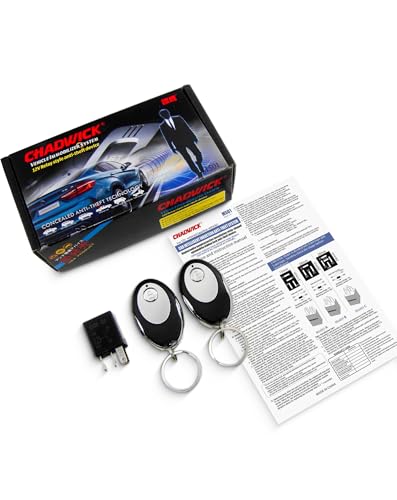
Another CHADWICK option focuses on a similar relay-shaped approach for hiding the immobilizer within the vehicle’s wiring structure. It again highlights categories for model A and model B connections to match different car configurations. The emphasis remains on preserving original wiring integrity while providing reliable engine disabling if unauthorized access is detected. Like other hidden systems, proper matching to vehicle type and professional installation can contribute to smoother operation and reduce the risk of unintended shutdowns or electrical conflicts.
Yosoo Universal 12V Immobilizer

While not part of the top five, Yosoo offers a universal 12V immobilizer with a practical 2-remote design. It supports remote control and proximity-based sensing, with a 10-meter alarm range and an oil shutdown/engine lock function. This model is suitable for universal 12V vehicles, including cars, making it a flexible choice for owners who want broad compatibility. The kit typically includes remotes, a harness, and wiring for straightforward DIY installation, though compatibility checks with specific vehicle configurations are advised before wiring.
Buying Guide: Key Purchase Considerations
When choosing a vehicle immobilizer system, consider the following factors to align the product with your needs:
- Vehicle type and electrical compatibility: Confirm 12V DC operation and whether the device is designed for gasoline engines, diesel, motorcycles, or SUVs. Check if your car’s wiring harness or fuse box layout necessitates professional installation.
- Mode of operation: Decide between hidden lock (stable, less intrusive) and anti-hijack or anti-theft modes (more aggressive in preventing theft). Proximity-based unlocks offer convenience but may require calibration to avoid false signals.
- Remote and sensing technology: Evaluate whether the system uses RFID proximity, auto-sensing remotes, or manual push-to-start features. Consider range, reliability, and potential interference from Bluetooth or other RF devices in your area.
- Installation footprint: Hidden systems offer theft deterrence with minimal visibility but often demand careful integration with ignition or fuel circuits. Visible controllers may be easier to install but could tempt tampering unless securely mounted.
- Safety and vehicle impact: Ensure the immobilizer does not trigger unintended engine shutoffs during normal driving, which could create hazardous situations. Test drive in a controlled setting after installation to verify stability.
- Maintenance and upgrades: Look for modular designs that allow firmware or configuration updates, as well as compatibility with future accessories or remotes. Confirm warranty terms and customer support.
- Legal and insurance considerations: Some regions restrict certain immobilizer configurations or require specific installation standards. Consult local regulations or insurance requirements for coverage implications.
In short, the right vehicle immobilizer balances stealth, reliability, and ease of use. Evaluate how often you park in high-risk areas, the level of convenience you want (auto-unlock versus manual), and whether you prefer a fully hidden system or a clearly installed controller. Testing different modes and confirming compatibility with your vehicle’s electrical system will help ensure durable protection against theft without compromising driving safety or comfort.