Best Ways to Seal Radiator Leaks: Top 5 Solutions for Quick, Permanent Fixes
Radiator leaks can threaten engine cooling and lead to costly damage. This guide highlights five reliable, one-step or rapid-set products designed to seal leaks in radiators, head gaskets, and related cooling components. Each option below is selected for compatibility with a wide range of antifreeze formulations and ease of use—often without draining or flushing the system. Read on to compare strengths, application methods, and potential limitations to help choose the right solution for your vehicle’s cooling system.
A quick summary of the chosen products is shown below. This table provides a snapshot of key features and intended use to help you decide which product to review first.
| Product | Brand | Best For | Typical Use |
|---|---|---|---|
| K-Seal ST5516 Heavy-Duty | K-Seal | Heavy-duty leaks in radiators, head gaskets, pumps | Pour-and-go, no flushing |
| Bar’s Leaks 1109 Liquid Copper Block Seal | Bar’s Leaks | One-step cooling system leaks, antifreeze compatible | Direct pour, no draining |
| Visbella Radiator Stop Leak Sealer | Visbella | Radiator leaks, heater cores, cooling system conditioner | Sealed system, compatible across materials |
| Bar’s Leaks Cooling System Stop Leak | Bar’s Leaks | Radiator and freeze plug leaks | One-step liquid stop leak |
| ProSeal Instant Gas Tank & Radiator Repair | Pro Seal | Small holes, cracks, seams | Epoxy putty, adheres to wet surfaces |
K-Seal ST5516 Heavy-Duty One Step Sealant
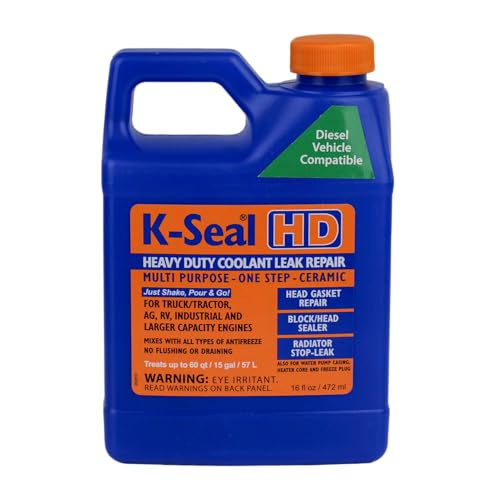
K-Seal ST5516 is a heavy-duty, multi-purpose coolant leak repair that claims to seal leaks within minutes. With a one-step pour-and-go formula, it aims to seal leaks in radiators, head gaskets, freeze plugs, blocks, heater cores, and water pumps. The product is designed to work across water-cooled engines and is described as neutral to engine cooling efficiency. No draining or flushing is required; simply shake, pour, and run the engine as normal. Usage is positioned for larger or more persistent leaks in heavier vehicles.
Key features include fast sealing, one-step application, and compatibility with most antifreeze types. It advertises a broad reach across common failure points in cooling systems. In practice, performance can vary depending on leak size and system condition, but for users facing sudden leaks, this offers a convenient, non-invasive option to reduce downtime while assessing long-term repair needs.
Pros and considerations
- Pros: Quick results, no draining required, works across multiple leak points.
- Considerations: Effectiveness may vary with leak size; follow product directions for best results.
K-Seal ST5501 Multi-Purpose One Step Sealant

Another K-Seal option, ST5501, mirrors the ST5516 approach with a pour-and-go design. It targets leaks in radiators, head gaskets, freeze plugs, blocks, heater matrices, and water pumps. The product emphasizes simplicity and a one-step process that requires no draining or flushing. This makes it a practical option for quick-turn repairs or as a temporary fix while awaiting more permanent service.
Features highlight rapid sealing and broad compatibility with antifreeze blends. Like other sealants, it relies on sealing leaks via a chemical reaction within the coolant. While it provides a fast fix, larger or multiple simultaneous leaks may necessitate more robust or mechanical repairs.
Pros and considerations
- Pros: Easy to use, fast action, minimal disruption to cooling system.
- Considerations: May not fix severe structural damage; long-term reliability depends on leak size and system health.
Bar’s Leaks 1109 Liquid Copper Block Seal

Bar’s Leaks 1109 uses a liquid copper block seal formula designed to repair leaks in cooling systems, including radiators, blocks, and gaskets. It is marketed as a one-step fix that does not require draining the system and emphasizes antifreeze compatibility. The product’s liquid copper chemistry is intended to fill larger pores while curing to a solid seal. It is suitable for a wide range of vehicle types and cooling system configurations.
When considering this option, note that copper-based sealants can offer strong seals but may interact with some coolant formulations or engine materials. Always verify compatibility with your vehicle’s antifreeze and metal components, and monitor the cooling system after application to ensure continued sealing performance.
Pros and considerations
- Pros: Strong sealing power for metal components; antifreeze compatible.
- Considerations: Copper-based products require compatibility checks; results can depend on leak location and size.
Visbella Radiator Stop Leak Sealer Conditioner Kit

Visbella offers a radiator stop leak sealer conditioner kit that emphasizes prevention as well as repair. It’s described as safe for all metals, plastics, rubbers, and hoses, and is designed to be compatible with all antifreeze types. The kit positions itself as a comprehensive cooling-system guardian, aiming to stop leaks while protecting against rust and lubricating the water pump, potentially extending pump life and reducing deterioration of cooling components.
Considerations include ensuring compatibility with the particular plastics and gaskets in your radiator, as well as following usage guidelines to avoid over-sealing or clogging components. The conditioner aspect may appeal to users seeking preventive maintenance alongside leak repair.
Bar’s Leaks Cooling System Stop Leak 16.9 oz
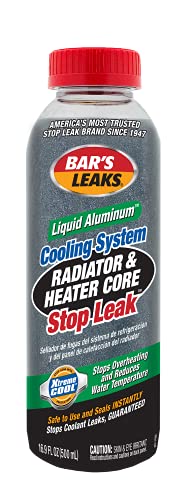
This Bar’s Leaks formulation is marketed as a liquid aluminum stop leak designed to seal radiator leaks and freeze plugs, with secondary benefits like sealing gasket leaks and heater cores. The product claims to lower engine temperature through enhanced sealing, and is designed for use with various antifreeze types. It’s positioned as a versatile option for a range of leak types in cooling systems.
Users should follow dosing instructions and consider the potential for aluminum-containing sealants to interact with certain systems. As with other sealants, monitoring for continued leaks after application is advised to determine if a mechanical repair is still needed.
ProSeal Instant Gas Tank & Radiator Repair

ProSeal Instant Gas Tank & Radiator Repair uses a steel-reinforced epoxy putty designed to seal small holes, cracks, and seam splits. It is touted for immediate effectiveness, with hardening within a few hours and full cure around 12 hours. The putty is formulated to adhere to wet surfaces, making it useful for stubborn leaks in tight or hard-to-reach areas where liquid sealants might struggle.
Strengths include rapid patching capability on wet surfaces and durability once cured. Limitations include the need for proper mixing ratios and the time window before full cure, which may require the vehicle to remain stationary during the curing period.
Buying Guide: Key Purchase Considerations
- Leak type and location: Radiator leaks, head gasket leaks, freeze plugs, and heater cores each respond differently to sealants or putties. For larger leaks or structural damage, a mechanical repair may be necessary.
- Compatibility: Check antifreeze compatibility and ensure the product is suitable for your radiator materials (aluminum, plastic, copper, steel) and seals (gaskets, hoses).
- Ease of use: Pour-and-go products are quick, but putty-based repairs require kneading and curing time. Consider how soon you need a fix and whether a temporary stopgap is acceptable.
- System condition: Sealants work best in systems that are otherwise healthy. Corroded blocks, warped heads, or clogged passages may reduce effectiveness and require professional service.
- Monitoring after application: After using a sealant, monitor coolant levels and temperature. Refill as needed with compatible coolant, and inspect for new leaks to determine if further action is required.
- Long-term vs. temporary solution: Some products offer a temporary seal that buys time for a permanent repair, while others aim for a more durable fix. Consider your vehicle’s age, value, and upcoming maintenance plans when choosing.
- Safety and disposal: Follow label directions for handling and disposal. Some products contain chemicals that should not be mixed with incompatible additives or used in certain engines.
In selecting the best option, balance the urgency of stopping a leak with the engine’s long-term health and the vehicle’s usage. For frequent leak sites or older cooling systems, a compatible, proven sealant paired with a professional inspection can provide a pragmatic, safety-focused approach to maintaining cooling performance.