Best Weather Radio in Cars: Portable, Multi-Power Emergency Radios for Roadside Safety
When severe weather or power outages strike, a reliable weather radio in your car or vehicle kit can be a lifesaver. This guide reviews five top options, highlighting power options, alert capabilities, and portability for travelers and motorists. Each model listed below helps you stay informed and keep devices charged during emergencies, whether you’re on the highway, camping, or away from traditional outlets.
| Product | Brand | Key Feature |
|---|---|---|
| Midland ER210 | Midland | Multiple power sources; SOS flashlight; NOAA alerts |
| Midland WR120B | Midland | S.A.M.E. localized programming; 60+ alerts |
| Raynic 5000mAh Weather Radio | Raynic | 5-way power; LED light; NOAA alerts |
| Esky Emergency Hand Crank Radio | Esky | 3 charging modes; 2000mAh power bank |
| iRonsnow Solar Emergency Radio | iRonsnow | 2000mAh power bank; SOS & LED; multiple charging |
Overview: The models above offer essential features for car use, including NOAA alerts, multiple charging methods, and built-in flashlights. When choosing, consider power sources (solar, hand crank, USB, batteries), alert specificity for your area, and device compatibility for phone charging. The following sections detail each product’s core strengths to help you decide which radio best fits your driving, camping, or travel needs.
Midland ER210 NOAA Emergency Radio

The Midland ER210 combines multiple power sources with a reliable NOAA alert system. It supports solar charging, a hand crank, and a rechargeable battery, ensuring operation when traditional power isn’t available. The built-in SOS flashlight adds visibility in dark conditions, and the compact design makes it suitable for vehicle kits or outdoor adventures. It supports long-running alert reception, making it a sturdy choice for drivers who need continuous weather updates during trips or emergencies.
Midland WR120B NOAA Emergency Radio

This model emphasizes localized weather awareness with S.A.M.E. programming. It can alert you to 60+ weather hazards and emergencies and supports color-coded indicators for alert severity. Users can program alerts for up to 25 counties, helping prioritize warnings relevant to your route or home region. The device is straightforward to operate, balancing ease of use with robust alert customization for drivers crossing multiple jurisdictions.
Raynic 5000mAh NOAA Weather Radio
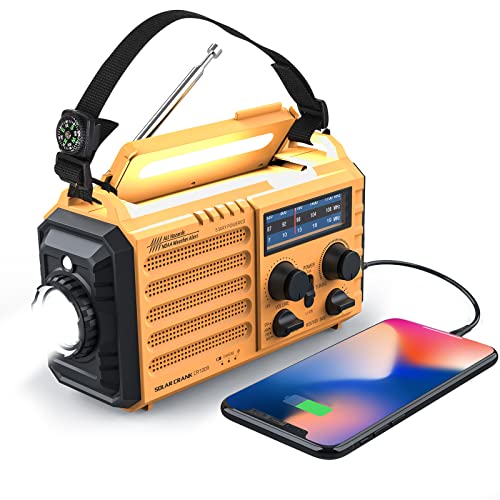
The Raynic weather radio offers a five-way power setup, including a solar panel, hand crank, internal rechargeable battery, AC power, and USB, ensuring operation in vehicle campsites or roadside stops. Built-in NOAA alert functionality provides timely warnings, while the USB charging supports keeping smartphones and small devices powered during emergencies. Its durability and multi-source charging make it a compelling choice for long road trips and outdoor excursions.
Esky Emergency Hand Crank Radio
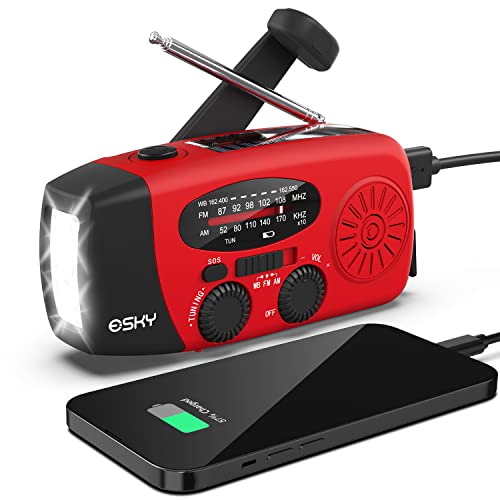
The Esky radio combines three charging modes with a 2000mAh power bank, making it a compact survival kit within a single device. It doubles as a weather radio and SOS alert tool, suitable for cars, camping, and home emergency readiness. The inclusion of a robust flashlight enhances nighttime visibility, while the integrated USB port supports basic device charging when power is scarce. It’s a practical, all-in-one option for travelers who want reliability with minimal gear.
iRonsnow Solar Emergency Radio
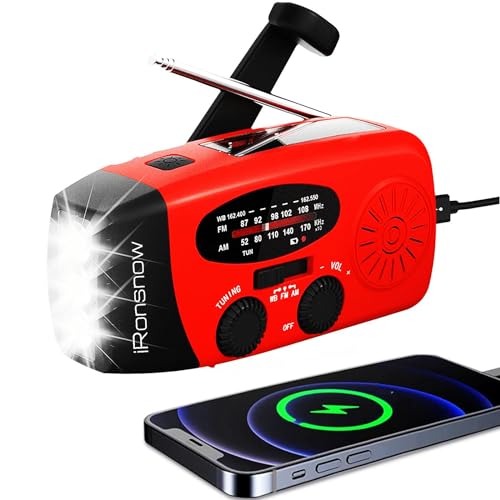
The iRonsnow model focuses on portability and up-to-date power options, featuring a 2000mAh USB power bank and SOS signaling. It includes a built-in LED flashlight and supports solar charging, hand crank, and USB recharging, making it suitable for car use, camping, and quick roadside emergencies. Its upgrades emphasize practical battery indicators and alert reliability, helping motorists monitor power levels while staying informed during weather events.
Buying Guide: Key Purchase Considerations
Bottom-line considerations help compare radios for car use. Power sources are essential; vehicles may lack outlets, so models offering solar, hand crank, USB, and battery options reduce the risk of a dead device during critical moments. NOAA alerts and S.A.M.E localization extend the value by providing region-specific warnings, which is especially relevant for drivers crossing state lines or rural routes. Durability, portability, and ease of operation affect on-the-road usability, while built-in flashlights and SOS alarms contribute to safety in dark or hazardous conditions. Battery capacity matters for longer trips, and multi-device charging can support phones or tablets that may be necessary for emergency communication.
Other perspectives consider maintenance and reliability. Some users prioritize alert frequency and speed of notification, while others value compact design for glove compartments and dashboards. In all cases, a reputable brand with tested NOAA reception tends to yield more consistent performance. Compare features like the number of alert channels, the presence of SOS signaling, and the availability of dimming or display options, especially if you operate the device at night while driving. The right choice balances alert fidelity, power independence, and practicality for your typical travel environment.