Best Winter Tires for Ice and Snow Driving
When the roads turn icy, choosing a winter tire with proven traction becomes essential. This guide spotlights five Sumitomo Ice Edge studable winter tires designed to perform on ice, snow, and slush. Each selection emphasizes stability, bite on ice, and reliable handling in cold conditions. Read on to compare core features and find the right fit for your vehicle.
| Product | Brand | Size (example) | Key Benefits |
|---|---|---|---|
| Sumitomo Ice Edge Studable-Winter Radial Tire | SUMITOMO | various | 3D siping, snow bite, wide channels |
| Sumitomo Ice Edge Studable-Winter Radial Tire | Sumitomo | various | RMA 3PMSF, cold-weather tread |
| Sumitomo Ice Edge Studable-Winter Radial Tire | Sumitomo | various | 3D serrated siping, snow/ice grip |
| Sumitomo Ice Edge Studable-Winter Radial Tire | SUMITOMO | various | Severe snow performance, optimized tread |
| Sumitomo Ice Edge Studable-Winter Radial Tire | Sumitomo | various | Low-temperature compound, slush evacuation |
Below are five Sumitomo Ice Edge options selected for robust ice performance. Each section provides a concise overview, highlighted features, and practical guidance to help you compare at a glance.
Sumitomo Ice Edge Performance Winter Tire
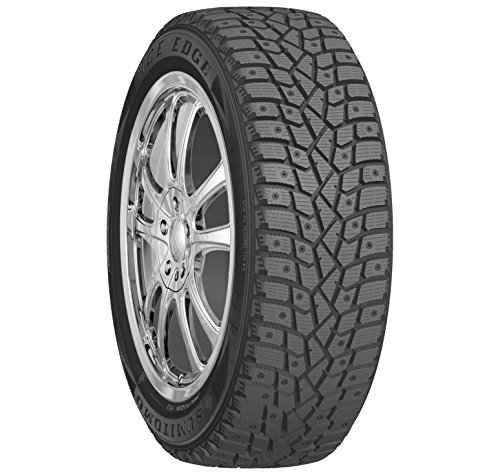
The Ice Edge Performance-Winter variant focuses on stability through triangular center blocks that enhance highway handling on icy pavement. Its specially formulated winter rubber delivers better flexibility in cold temperatures, maintaining grip where conventional tires struggle. With an optimized stud pin distribution, this tire supports improved performance when studded for added bite on ice. Overall, it balances confident steering with traction across common winter conditions.
Sumitomo Ice Edge Studable 215/70R15
This model is certified with the RMA 3PMSF symbol, signifying severe snow performance. It is engineered to address diverse winter driving environments, featuring a tread compound tuned for low temperatures and Sumitomo’s 3D siping technology for enhanced bite on snow and ice. Wide, serrated tread channels improve snow grip and expedite evacuation of slush, while the 3D serrated siping maximizes contact with winter road surfaces for steady control.
Sumitomo Ice Edge Studable 225/60R17 99T
Designed as a vehicle-specific option, this studable Winter Radial Tire emphasizes reliable winter performance with a tread compound optimized for cold conditions. While the packaging notes its build details, the core benefit remains a stable ice and snow drive with consistent bite. It is a practical choice for drivers who need predictable behavior across mixed winter road surfaces.
Sumitomo Ice Edge Studable 265/50R20

This larger-size option combines RMA 3PMSF-rated performance with a tread design that prioritizes snow grip and ice bite. The tire’s wide channels facilitate rapid evacuation of slush and water, while a specially tuned tread compound preserves flexibility in freezing temperatures. It presents a strong balance of traction and stability for larger vehicles in winter conditions.
Sumitomo Ice Edge Studable 245/50R20
Certified for severe snow performance, this tire emphasizes a blend of all-weather winter features. Its 3D siping pattern, wide channels, and low-temperature rubber compound work together to maximize grip on ice and snow while facilitating efficient water and slush evacuation for safer handling on winter roads.
Buying Guide: Key Considerations For Ice Driving
- Ice bite and snow traction: Look for tires with 3D siping, serrated siping, and wide snow channels. These features improve grip on ice and enhance snow evacuation, reducing hydroplaning risk.
- Studded vs studless options: Studded tires provide extra bite on ice but may wear faster and cause road wear. Studless designs rely on advanced rubber compounds and siping for traction in icy conditions. Choose based on local winter patterns and driving style.
- Seasonal compatibility: Ensure the tire is rated for winter use (RMA 3PMSF or equivalent). This confirms performance in severe snow conditions and cold temperatures.
- Tread compound and temperature performance: Cold-weather compounds maintain flexibility at low temperatures, improving contact with the road and bite on ice.
- Vehicle suitability: Some tires are vehicle-specific or fit certain sizes. Verify compatibility with your wheel size, load rating, and vehicle requirements.
- Size and load considerations: Larger tires may offer more ground contact and stability, but ensure fitment does not affect speedometer accuracy or clearance.
- Avoid price-driven compromises: Focus on performance features for ice and snow rather than price alone. Consistent traction and braking performance offer greater safety than cost savings.
- Maintenance and storage: Rotate tires as recommended and store off-season tires properly to preserve tread integrity and performance.