Best Oil Additives for Cars to Boost Performance and Longevity
Auto owners often turn to oil additives to reduce wear, improve fuel economy, and keep engines running smoothly. This guide highlights five highly regarded options, explains how they work, and compares their benefits for gas and diesel engines, high-mileage vehicles, and everyday drivers. Each product section includes direct access to the official Amazon listing for quick reference.
Summary Table of Chosen Products
- Prolube Oil Treatment (1QT) — Engine oil additive for gas & diesel engines
- Lucas Oil 10001 Heavy Duty Oil Stabilizer — 1 Quart
- Lucas Oil 10118 High Mileage Oil Stabilizer — 1 Quart
- Prolube Oil Treatment (16oz) — Engine oil additive for gas & diesel engines
- Lucas Oil 10003 Fuel Treatment — 1 Quart
Prolube Oil Treatment: Engine Power And Quiet Running
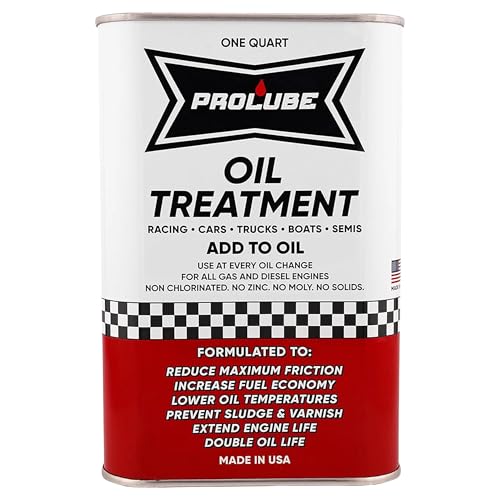
Prolube’s oil treatment is designed to maximize engine performance while reducing noise and vibration. The formula aims to lower friction and wear, which can translate to smoother operation and improved responsiveness under both daily driving and demanding conditions. By minimizing drag, the additive can help engines operate more efficiently, contributing to steadier idle, quicker throttle response, and less heat buildup in critical areas.
Key features center on wear reduction, noise dampening, and potential fuel economy gains. The product claims to lower engine wear and protect components over time, helping engines maintain optimal lubrication even under high stress. It also targets smoother operation across gas and diesel configurations, and it’s marketed to work in transmissions and differentials as well, offering versatility for mixed-use vehicles and performance-focused builds.
Usage considerations include compatibility with conventional and synthetic oils and the expectation of long-term wear protection rather than a quick fix. While results vary by engine design and driving style, users often report better overall engine feel and reduced engine chatter in older or higher-mileage units. Always follow the product directions for dosing and oil-change intervals.
Lucas Oil 10001 Heavy Duty Oil Stabilizer

Lucas Oil 10001 Heavy Duty Oil Stabilizer is promoted as a robust additive that improves lubrication and reduces friction in heavy-duty engines. It’s designed to form a protective film within the oil system, aiding optimal oil pressure and improving protection for wear-prone components. This product is positioned as suitable for both older and newer engines seeking enhanced lubrication within their oil passages and moving parts.
From a performance standpoint, the stabilizer can contribute to quieter operation and steadier engine feel by dampening unwanted metal-on-metal contact. It is often used to help with cold-weather starting and to extend the life of engines subjected to heavy loads, long highway runs, or high mileage. It’s marketed as compatible with standard petroleum-based oils and other conventional blends.
Considerations include the fact that results depend on engine condition and maintenance history. Users should monitor oil levels and pressure after adding any stabilizer and adjust maintenance schedules accordingly. In high-mileage or performance-tocused builds, the stabilizer can be a part of a broader lubrication strategy, rather than a standalone solution.
Lucas Oil 10118 High Mileage Oil Stabilizer
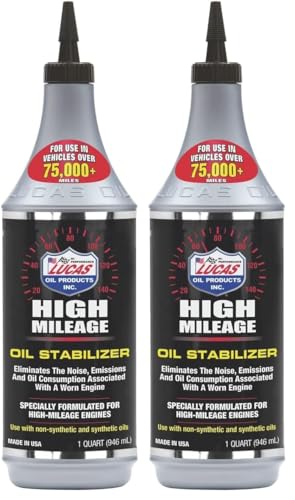
This high-mileage stabilizer is designed to address the needs of engines with substantial wear or aging components. The product emphasizes lubricating all internal parts to minimize wear and to reduce the noises and emissions associated with worn engines. It can help maintain oil film strength and protect against common failures linked to older engines, including decreased compression and higher oil consumption.
By supporting smoother operation and reducing excessive wear, the stabilizer aims to extend engine life and maintain performance as vehicles rack up miles. It’s typically used in gasoline engines, with the expectation of compatibility across a broad range of motor oils. Users should follow guidelines for dosage and consider replacing worn gaskets or seals that may contribute to oil loss in high-mileage units.
Potential limitations include the varying degree of benefit depending on the engine’s current condition. For some engines, the change may be more noticeable in smoothness and noise reduction rather than dramatic horsepower gains. It’s best used as part of a comprehensive maintenance plan, not as a substitute for timely oil changes and repairs.
Prolube Oil Treatment (16oz): Enhanced Protection And Efficiency

This 16-ounce variant of Prolube’s oil treatment emphasizes power, quiet operation, and extended engine life. The marketing materials highlight reduced friction, protection against wear, and smoother performance across gas and diesel engines, with potential improvements to fuel economy and horsepower. The broader claim is that the additive supports both daily driving and more demanding conditions by sustaining efficient lubrication and reducing mechanical resistance inside the engine.
As with similar additives, the enthusiasm centers on friction reduction, quieter operation, and improved reliability. Users should observe proper dosing, ensure compatibility with their oil type, and pair the additive with a regular maintenance schedule. The product’s capability to affect transmissions and differentials may appeal to owners seeking a single solution for multiple lubrication needs in a vehicle.
Engine wear protection claims outline significant reduction in wear over time and consistent lubrication under varied temperatures. Real-world results depend on engine type, maintenance history, and driving style. This option is suitable for a wide range of gasoline and diesel engines, making it a versatile choice for mixed fleets or personal cars alike.
Lucas Oil 10003 Fuel Treatment: Clean And Optimize Fuel System

Lucas Oil 10003 Fuel Treatment is positioned as a comprehensive fuel system conditioner. It aims to clean and lubricate fuel delivery components, including injectors, carburetors, and the combustion chamber. The product is marketed for both gasoline and diesel engines and is described as offering improvements in fuel efficiency and overall engine performance through cleaner fuel pathways and better combustion regularity.
From a performance and maintenance perspective, the fuel treatment supports a tune-up effect by addressing buildup that can hinder combustion efficiency. It can be particularly beneficial for engines that experience marginal fuel economy or rough idle due to deposits. As with fuel system additives, adherence to dosing instructions and regular maintenance remains important to achieve consistent results.
The product’s emphasis on cleansing and lubrication aligns with longer-term engine cleanliness and potential emissions benefits. Users should consider fuel quality, driving conditions, and ongoing maintenance plans when evaluating the impact of a fuel-focused additive on overall engine performance.
Buying Guide: Key Purchase Considerations And Comparisons
- Engine type and age: High-mileage engines may benefit more from stabilizers that protect worn parts, while newer engines may see gains from friction reduction and smoother operation.
- Oil compatibility: Check compatibility with conventional, synthetic, and blended oils. Some products are designed to mix with a wide range, while others have narrower compatibility.
- Lubrication focus: Decide whether you want wear protection, fuel economy, noise reduction, or fuel system cleaning. Some additives target multiple benefits, while others specialize.
- Maintenance integration: Use additives as part of a broader plan, including timely oil changes, filter replacements, and addressing any mechanical issues.
- Vehicle usage: Consider driving patterns (city or highway), climate, and load. Heavy-duty or frequent towing can influence additive effectiveness and dosing.
- Warranty considerations: Some additives may affect warranties or require manufacturer-approved maintenance. Review vehicle guidelines when in doubt.
When selecting an additive, compare intended benefits (wear protection, fuel economy, noise reduction) with your vehicle’s current condition and maintenance history. Read product labels, check compatibility notes, and start with the minimal recommended dose to monitor performance. Keep in mind that additives are part of a holistic approach to engine care, not substitutes for routine maintenance and repairs.