Best Quick Fixes for a Blown Head Gasket: Sealant Solutions
When a blown head gasket threatens engine cooling, many drivers seek fast, do-it-yourself answers. This guide focuses on sealant and repair products that promise a quick, temporary or permanent fix without extensive disassembly. Below are five products commonly used as quick fixes, along with practical considerations for choosing the right option for your engine type and symptoms. Use these as a starting point to evaluate whether a temporary restoration or permanent repair is most appropriate for your situation.
| Product | Brand | Key Benefit |
|---|---|---|
| Bar’s Leaks HG-1 HEAD SEAL | Bar’s Leaks | Fast coolant-related seal for leaks around head and intake gaskets |
| K-Seal ST3501 Pour and Go | K-Seal | Permanent, ceramic-fiber seal without draining or flushing |
| Steel Seal Blown Head Gasket Fix – 8 Cylinder | STEEL SEAL | Do-It-Yourself pour-in fix used by many repair shops |
| Bar’s Leaks Block Seal Head Gasket Fix | Bar’s Leaks | One-step, coolant-compatible sealant for multiple leaks |
| Bar’s Leaks 1100 Head Gasket Repair | Bar’s Leaks | Stops leaks from head gaskets and cracks; quick application |
The products listed here are intended for consumer guidance and should be matched to your vehicle’s service manual and a professional diagnosis. Always observe safety precautions when handling engine components and coolant. If overheating persists, seek mechanical assistance promptly to prevent engine damage.
Bar’s Leaks HG-1 HEAD SEAL: Quick Head Gasket Repair

Bar’s Leaks HG-1 HEAD SEAL is designed to seal blown head and intake gasket leaks quickly. It is described as antifreeze-compatible and requires no flushing or draining, making it convenient for a roadside or in-garage repair. The formula claims to seal warped or cracked heads and blocks, provided the engine can idle for about 15 minutes without overheating or coolant additions. The product supports a broad range of coolant types and remains compatible with 50-50 mixtures. Practical for temporary relief, it is widely used to stop coolant leaks without immediate engine disassembly.
Key considerations: suitability depends on the engine still idling without rapid overheating, and it may be best for smaller or mid-sized engines. Always follow the dosage directions and run the engine to operating temperature after application to ensure the sealant circulates fully.
K-Seal ST3501 Pour and Go Head Gasket Sealer
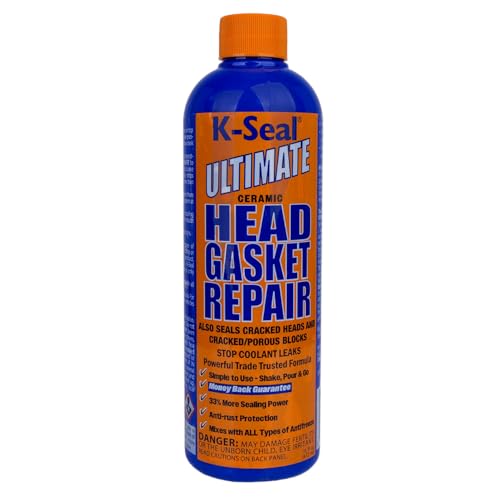
K-Seal ST3501 is marketed as a permanent repair for blown head gaskets, cracked heads, and porous engine blocks. Its formula emphasizes seal strength with ceramic micro-fibres and claims to seal leaks up to 0.64mm in size. The product is designed for easy use—no draining or flushing is required; just shake, pour, and run the engine as normal. For larger engines, a second bottle is suggested. This solution appeals to users seeking a long-lasting fix with minimal vehicle downtime, though effectiveness can vary by engine condition and leak severity.
Key considerations: ideal for users who want a “one-and-done” approach, but check engine compatibility and follow the packaging guidance for larger engines. Monitor cooling system performance after application and be prepared for potential follow-up repairs if the gasket is extensively damaged.
Steel Seal Blown Head Gasket Fix – 8 Cylinder

Steel Seal’s Blown Head Gasket Fix is a popular DIY option for permanent sealing. Marketed as a ready-to-use pour-in solution, it has seen widespread use in repair shops and by enthusiasts. The product emphasizes a permanent seal through a one-step pour-in process and is positioned as compatible with a range of engine configurations. It’s often chosen for its claimed durability and ease of application for drivers seeking a practical repair without disassembly.
Key considerations: assess engine condition and leak size; the product is marketed as a long-term fix, but extremely large or complex head gasket failures may require mechanical intervention. Ensure you follow the exact pour instructions and operate under safe engine temperatures during cure time.
Steel Seal Blown Head Gasket Fix for 4 Cylinder Engines
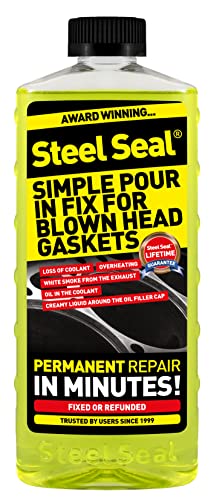
This Steel Seal variant targets 4-cylinder engines and promises a permanent seal against head gasket leaks with a do-it-yourself pour-in method. It’s described as award-winning and triple-patented, which can appeal to buyers looking for a proven formula. The product is positioned for quick application and enduring results without needing disassembly or coolant drain.
Key considerations: smaller engines may respond well to this type of sealant, but the underlying gasket condition should be assessed. If the engine shows continued overheating or if leak severity is high, professional evaluation is advised to determine structural damage beyond gasket failure.
Steel Seal Blown Head Gasket Fix – 6 Cylinder
This 6-cylinder Steel Seal option emphasizes permanent sealing of head gasket damage with a pour-in approach. It is presented as a common choice for a rapid, durable fix and is widely used by repair shops for various engine layouts. The sealant’s performance hinges on proper mixing, engine temperature, and leak characteristics.
Key considerations: verify compatibility with your engine’s cylinder count and follow the product’s instructions for use. For engines with ongoing overheating or significant damage, plan for mechanical diagnosis and possible gasket replacement beyond the sealant solution.
Bar’s Leaks Block Seal Head Gasket Fix
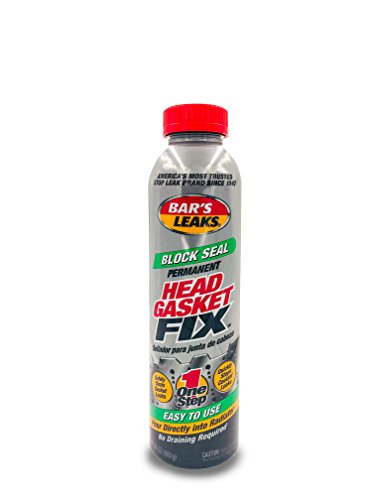
Bar’s Leaks Block Seal Head Gasket Fix is a one-step formula combining antifreeze-compatible sealing liquid with gasket sealing particles. It claims to penetrate gaps and cracks and then harden to seal leaks permanently. The product targets head gaskets, cylinder heads, and blocks, and is marketed to work better than traditional stop-leaks. It’s designed for quick use in engines that can idle for around 20 minutes without overheating or coolant addition.
Key considerations: this option covers multiple leaks in one go, but large-scale damage may require additional repairs. Follow the directions precisely, and ensure your cooling system is in good condition to avoid further issues after application.
Bar’s Leaks 1100 Head Gasket Repair – 20 oz.
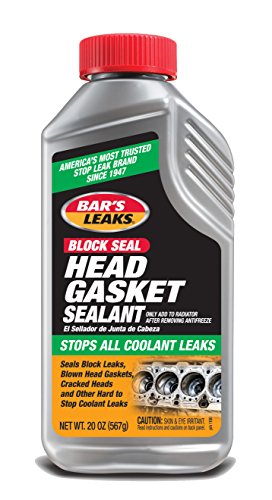
Bar’s Leaks 1100 Head Gasket Repair is a 20-ounce formula designed to seal cracks and blown head gaskets, stopping leaks in the cooling system. It is marketed to work across a range of engines and stresses the ability to seal without extensive disassembly. This option is often selected for vehicles needing a quick, cost-effective stopgap while planning a more permanent repair.
Key considerations: ensure that the engine is stable enough for application and running after application. This product may offer a rapid fix, but diagnostic follow-up is essential to determine the extent of gasket damage and to evaluate long-term viability.
Buying Guide: Key Purchase Considerations
- Nature of the leak: Sealants are most effective for small to moderate leaks. Large cracks or completely blown gaskets typically require professional repair.
- Engine type and size: Some products are targeted at 4-, 6-, or 8-cylinder engines. Confirm compatibility with your engine before purchase.
- Trade-off between temporary and permanent: Do you need a quick roadside fix or a durable, long-term repair? Permanent sealants may reduce downtime but carry higher risk if misapplied.
- Coolant compatibility: Most products claim antifreeze compatibility. Ensure the coolant type in your vehicle matches the product’s specification to avoid chemical interactions.
- Follow-up plan: After applying a sealant, monitor for overheating, coolant loss, or reduced cooling performance. Prepare for mechanical inspection if symptoms persist.
- Vehicle usage: For daily drivers, prioritize a recommended solution that minimizes risk to the engine’s broader cooling system.
- Professional advice: If you’re unsure about gasket condition or engine health, consult a certified mechanic before proceeding with a sealant.
These options provide a spectrum of quick-fix approaches, from simple one-step sealants to more durable, long-term formulas. Always pair any sealant use with careful monitoring of engine temperature and coolant levels, and plan for a formal gasket repair if symptoms recur or worsen.