Best High Heat Engine Paint for Automotive Surfaces and Parts
When restoring or refreshing metal engine components, selecting a high heat engine paint is essential to protect against heat, oil, and environmental exposure. This guide highlights top Rust-Oleum options designed for engines, exhausts, and automotive parts that encounter elevated temperatures. Each entry reviews durability, cure times, and coverage to help you choose the right finish for durability and aesthetics. Below is a quick reference of the chosen products followed by in-depth sections and a buying guide to assist in making an informed decision.
| Product | Brand | Key Feature |
|---|---|---|
| Engine Enamel Spray Paint, Gloss Black | Rust-Oleum | Up to 600°F, rust resistant |
| High Heat Primer Spray Paint, Gray | Rust-Oleum | Rust resistant base coat for metal |
| Engine Enamel Spray Paint, Gloss Red | Rust-Oleum | Up to 600°F, rust resistant |
| Automotive High Heat Spray Paint, Flat Aluminum | Rust-Oleum | Up to 2000°F, Stops Rust formula |
| Engine Enamel Spray Paint, Gloss Black | Rust-Oleum | Up to 500°F, oil & gas resistant |
Engine Enamel In Gloss Black For Hot Areas

This 11 oz Rust-Oleum Engine Enamel offers robust protection for automotive parts exposed to intermittent high temperatures up to 600°F. The rust preventive formula resists oil, gas, grease, and common environmental elements such as rust, salt, and humidity. It dries to the touch in about 20 minutes and can cover up to 12 square feet per can. For optimal long-term performance, allow full cure as directed by the label. This makes it suitable for engine blocks, exhaust components, and brackets that require a durable, heat-tolerant finish.
High Heat Primer Gray For Metal Surfaces
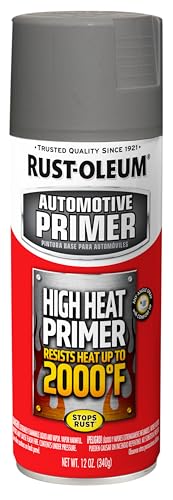
This Rust-Oleum Gray High Heat primer is designed to serve as a rust-resistant base coat on metal surfaces like engines and mufflers. Its oil-based formula with Stops Rust technology provides a solid foundation for subsequent topcoats, improving adhesion and durability. Coverage reaches up to 12 square feet, with a touch-dry time around 30 minutes. A proper recoat window (within one hour) enables a seamless topcoat application for added protection against corrosion and heat-related wear.
Engine Enamel In Gloss Red For Hot Areas

Rust-Oleum’s Gloss Red Engine Enamel is formulated for automotive parts exposed to intermittent high temperatures up to 600°F. The enamel provides a protective rust-preventive layer, resisting oil, gas, and environmental threats. It dries to the touch in about 20 minutes and covers roughly 12 square feet per can. For best results, ensure complete curing per label instructions, which helps maintain color integrity and finish during long-term engine heat cycles.
Automotive High Heat Flat Aluminum Finish

This Rust-Oleum high heat spray is designed for automotive parts and surfaces subjected to intermittent very high heat, up to 2000°F. The Tough enamel with Stops Rust formula helps prevent corrosion and rust, delivering ultimate protection for components like exhaust manifolds and headers. It dries to the touch in about 30 minutes and can cover up to 10 square feet per can, making it a practical choice for larger engine parts that require a heat-ready, durable finish.
Engine Enamel In Gloss Black For Everyday Engines

This 12 oz Engine Enamel offers a reliable gloss black finish with heat resistance up to 500°F, along with gas and oil resistance. The Stops Rust formula helps protect metal surfaces from corrosion in a variety of automotive environments. It dries to touch in about 30 minutes and typically covers up to 10 square feet per can, depending on surface porosity and application technique. It provides a clean, durable coat for radiator housings, valve covers, and other engine components that experience moderate heat exposure.
Bar-B-Que Black High Heat Finish

Designed for metal items that may encounter intense heat, this Bar-B-Que Black enamel provides a heat-tolerant finish up to 1000°F. While marketed toward grills, its composition suits metal components like radiators or stove parts exposed to substantial heat. It covers approximately 7 to 8 square feet and dries to the touch within 30 minutes. This product offers a robust, durable surface with the resilience needed for high-heat automotive-like applications in non-critical environments.
Buying Guide: Key Purchase Considerations And Comparisons
- Heat tolerance: Choose coatings that specify the maximum sustained temperature. Engine components vary from 500°F to 2000°F in exposure; select accordingly to avoid blistering or failure.
- Substrate compatibility: Most products are formulated for metal surfaces like engine blocks, exhaust parts, manifolds, and brackets. Confirm compatibility with aluminum, steel, or cast iron as appropriate.
- Topcoat vs basecoat: Some items are primers (Stops Rust) designed to be followed by a topcoat, while others are enamel topcoats. Decide whether you need a base for rust resistance or a full top layer for color and protection.
- Cure time and recoat window: Dry-to-touch times vary from ~20 to 30 minutes, with recoat windows of up to 1 hour or more. Full cure times extend beyond 24 hours; plan for curing in a well-ventilated area.
- Finish options: Gloss, flat, and metallic finishes provide different aesthetics and implications for heat absorption. Lighter finishes may show wear more readily on high-heat parts.
- Durability under exposure: Ingredients like Stops Rust improve corrosion resistance. Oil and gas resistance help maintain appearance and performance in automotive environments.
- Ease of application: Aerosol cans offer convenient spray application for tight spaces, whereas larger cans may be better for broad surfaces. Surface prep, including cleaning and rust removal, impacts adhesion.
- Safety and ventilation: Use in a well-ventilated area with appropriate personal protective equipment. Heed label instructions for curing times and recoat intervals to avoid fumes and skin contact.
- Color and visibility: For engine bays, choosing a light or contrasting color can aid maintenance and inspections, while darker shades offer a stealth look and potential heat retention.
- Warranty and compatibility: Check product specifications for warranty statements and compatibility notes with engine heat cycles and automotive fluids.
Selecting the right high heat engine paint involves evaluating temperature tolerance, substrate compatibility, and curing requirements. For most engine-related applications, a rust-resistant enamel that tolerates up to 600°F provides reliable durability. When higher heat is encountered, such as exhaust components, opt for a product rated up to 2000°F, with attention to surface preparation and cure times to ensure long-lasting performance. Consider whether you need a base primer or a standalone enamel finish, and plan for proper ventilation during application and curing.