Best Engine Oils for Cars: Top Picks for Modern U.S. Vehicles
Choosing the right engine oil is essential for protecting engine components, maintaining performance, and extending the life of your vehicle. The following selections cover synthetic blends, high-mileage solutions, and specialized additives that help reduce wear, friction, and fuel consumption. Each product list is based on widely available options that suit many American cars, trucks, and SUVs. Review the quick product table below, then explore detailed sections to compare how each option performs across common driving conditions.
| Product | Brand | Key Benefit |
|---|---|---|
| Mobil 1 European Car Formula Full Synthetic Motor Oil 0W-40 | Mobil | Extended life and viscosity stability |
| Liqui Moly Synthoil Premium SAE 5W-40 | Liqui Moly | Low-friction, all-season synthetic |
| Lucas Oil 10118 High Mileage Oil Stabilizer | Lucas Oil | Reduces wear and oil consumption in older engines |
| Prolube Oil Treatment | Prolube | Reduces wear, noise, and fuel consumption |
| Lucas Oil 10679 Hot Rod & Classic Car SAE 10W-30 | Lucas Oil | Heavy-duty protection for classic and performance engines |
Note: Each product in this article is presented with its official description and features as listed by the manufacturer. This guide emphasizes objective performance aspects, compatibility considerations, and practical usage scenarios for typical American driving needs.
Mobil 1 European Car Formula 0W-40 — Synthetic Performance

Mobil 1 FS European Car Formula full synthetic motor oil 0W-40 is designed to extend engine life under severe conditions. It helps control oxidation to prevent oil breakdown and maintains viscosity for up to 10,000 miles between changes. The formula supports outstanding wear protection and performance thanks to uniform synthetic oil molecules that reduce friction. This oil is especially suitable for high-performance European engines commonly found in American garages that require reliable cold-start protection and stable viscosity in varying climates.
Usage considerations: It targets engines designed for 0W-40 viscosity and may be a good fit for certain European-inspired or performance vehicles in American fleets. Always confirm OEM specifications before applying in non-European models.
Liqui Moly Synthoil Premium 5W-40 — Fully Synthetic

Liqui Moly Synthoil Premium SAE 5W-40 is a fully synthetic motor oil designed for all-season use in both gasoline and diesel engines without particulate filters. It provides low-friction performance, which can help improve efficiency and reduce wear. Following manufacturer instructions is important to ensure compatibility with your engine’s materials and seals. This option is widely suitable for modern engines that require a robust synthetic base in variable climates across the United States.
Considerations: Check vehicle warranties and manufacturer guidelines regarding oil viscosity and synthetic branding to avoid any warranty concerns or incompatibilities with diesel particulate filter systems (DPF/GPF) in some models.
Lucas Oil 10118 High Mileage Oil Stabilizer — 1 Quart
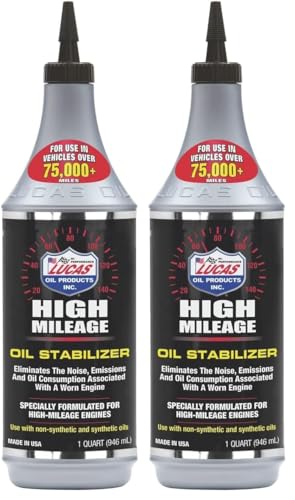
Lucas Oil 10118 High Mileage Oil Stabilizer is designed for engines with higher mileage, offering lubricity improvements to minimize wear, reduce noise, and lower emissions-driven oil consumption. This stabilizer aims to improve internal clearances by enhancing lubrication and sealing behaviors, which can be beneficial for older engines or those with significant mileage. It is typically used as an additive to existing oil formulations rather than a standalone lubricant replacement.
Usage notes: Verify vehicle age and current oil type when considering an oil stabilizer as part of routine maintenance. Not a substitute for a complete oil change schedule.
Prolube Oil Treatment — Engine Additive
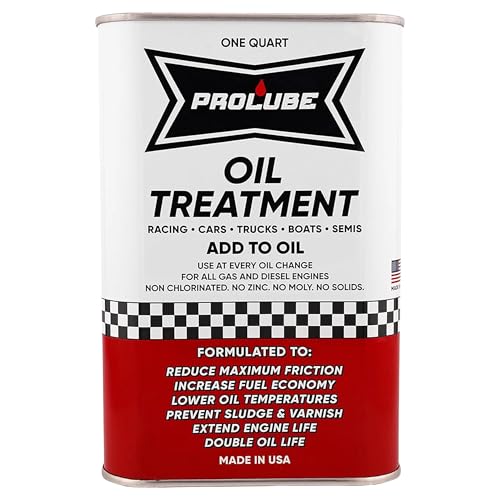
Prolube Oil Treatment is an engine oil additive designed to boost overall performance. It aims to increase horsepower, reduce engine noise, and smooth vibrations to help engines run quieter and more efficiently under daily driving or heavy-duty conditions. The formulation also claims fuel economy improvements by decreasing friction between engine components, preventing overheating, and extending engine life by reducing wear. It’s suitable for both gas and diesel engines and also claims benefits for transmissions and differentials.
Important considerations: Additives should be compatible with your current oil type and vehicle specifications. Always follow the manufacturer’s dosing and vehicle guidelines to maintain warranty protections and oil performance expectations.
Lucas Oil 10679 Hot Rod & Classic Car SAE 10W-30

Lucas Oil 10679 Hot Rod & Classic Car SAE 10W-30 is formulated for classic and performance engines that demand robust protection under demanding driving conditions. It uses high-quality paraffinic base oils and an additive package rich in zinc, molybdenum, and phosphorus to create a thicker protective film for engine components. This oil is particularly suited to vintage or performance-focused motors that require reliable lubrication across a wide temperature range.
Practical notes: This option targets engines with historical specifications or performance builds. Confirm whether 10W-30 aligns with your engine’s official viscosity recommendation and any warranty considerations for older vehicles.
Buying Guide: Key Purchase Considerations
When selecting engine oils for cars, consider the following factors to make an informed choice that aligns with your vehicle’s needs and driving conditions:
- Oil viscosity and specification: Check your owner’s manual for the recommended viscosity (e.g., 0W-40, 5W-40, 10W-30) and whether a fully synthetic, synthetic blend, or mineral oil is advised.
- Engine type and age: High-mileage engines may benefit from stabilizers or additives designed to reduce wear and consumption, while newer engines often require precise synthetic formulations for optimal performance.
- Climate and driving style: Cold-start protection and high-temperature stability are crucial for varied American climates and highway versus city driving.
- OEM approvals and warranties: Ensure the chosen oil meets the vehicle manufacturer’s approvals to protect warranty coverage.
- Additives and compatibility: Additives can improve protection or cleanliness but should be compatible with the existing oil and engine materials to avoid seal or gasket issues.
- Service intervals: Synthetic oils often allow longer intervals between changes, but always follow the vehicle’s specified maintenance schedule for oil and filter changes.
- Application scope: Some products are additives designed to mix with existing oil, while others are ready-to-use lubricants. Distinguish between full lubricant replacements and oil additives before purchase.
In summary, the best engine oil choice depends on engine type, mileage, climate, and driving demands. For modern engines with full synthetic needs, a proven 0W-40 or 5W-40 formulation is common. For classic or high-mileage engines, stabilizers or thicker viscous options can offer added protection. Consider pairing a high-quality base oil with a compatible additive when appropriate, and always consult your vehicle’s specifications to maintain performance and warranty integrity.