Best Car Engine Additives for Smoother Performance and Fuel Economy
Choosing the right engine additive can help reduce friction, quiet noisy engines, and extend engine life. This guide highlights five top-rated car engine additives, explains how they work, and helps you compare options for gas and diesel engines. Each product is selected for clear benefits such as reduced wear, improved fuel efficiency, and compatibility with common motor oils.
| Product | Brand | Key Benefit | Approximate Use |
|---|---|---|---|
| Prolube Oil Treatment (1QT) | Prolube | Reduces wear, noise, vibration; boosts fuel economy | Gas & Diesel engines, transmissions, differentials |
| Liqui Moly Cera Tec | Liqui Moly | Ceramic wear protection; smoother performance | Petrol & Diesel engines |
| Bardahl NoSmoke + StopLeak | Bardahl | Stops oil burning; seals leaks; reduces exhaust smoke | Oil-burning engines; leaky seals |
| Liqui Moly Pro-Line Engine Flush | Liqui Moly | Flushing and cleaning of oil systems | Gasoline & Diesel engines |
| TriboTEX Nano Oil Additive | TriboTEX | Diamond-like coating; reduces wear; universal use | Gas & Diesel engines |
Prolube Oil Treatment — Engine Oil Additive
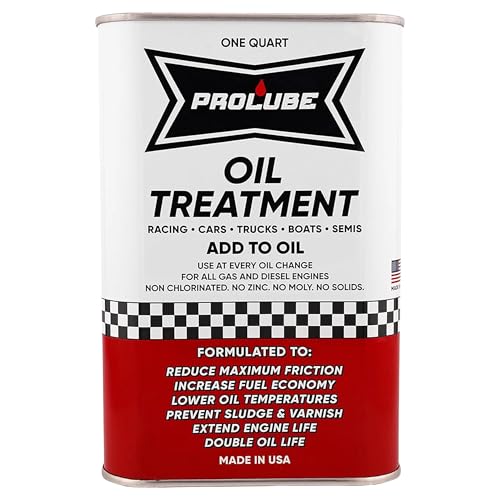
Prolube’s oil treatment is designed to maximize overall engine performance. It claims to increase horsepower, reduce engine noise, and smooth vibrations for both daily driving and heavy-duty use. The formula targets friction reduction, which can contribute to lower fuel consumption and cooler engine operation over time. Prolube emphasizes extended engine lifespan by reducing wear, with a stated reduction potential up to 45% in wear and enhanced lubrication across components. This product is positioned as versatile, noting benefits for engines, transmissions, and differentials. It is offered in a one-quart size to suit most routine maintenance intervals.
Key considerations: This additive is marketed to work in a variety of applications beyond the engine, including transmissions and differentials, which may be appealing for users seeking a multipurpose treatment. Prospective buyers should verify compatibility with their specific oil type and vehicle guidelines, and consider whether a broad-use formula aligns with their maintenance plan.
Liqui Moly Ceramic Wear Protection

Liqui Moly Cera Tec 20002 is a ceramic wear protection additive designed to reduce friction and provide smoother engine performance. It’s described as mixable with most commercially available motor oils and stable under high thermal loads. The product emphasizes compatibility with various filtration systems and minimal deposit formation, aiming to extend engine life and improve efficiency. This additive is presented as suitable for both petrol and diesel engines and may appeal to drivers looking for a ceramic-based, long-term friction-reduction approach rather than a quick leak-stop or flushing solution.
Bardahl NoSmoke + StopLeak

Bardahl NoSmoke + StopLeak is marketed to address multiple engine concerns: reducing oil burning and excessive exhaust smoke, sealing old or loose seals, and quieting noisy lifters. The product’s dual-action approach targets emissions control and engine noise, potentially restoring some reliability to aging engines. It’s positioned as a stop-leak solution that can help minimize oil leaks while also improving exhaust characteristics. For buyers dealing with smoke, burning oil, or noisy engines, this additive presents a multi-faceted option, though results may vary depending on the engine’s condition and existing wear.
Liqui Moly Pro-Line Engine Flush

Liqui Moly Pro-Line Engine Flush is designed to clean and flush oil systems in gasoline and diesel engines. The product emphasizes a gentle yet effective cleaning action that helps clear sludge and deposits. It’s described as neutral to seals and engine materials, reducing the risk of compatibility issues during flushing. This option is well-suited for preventive maintenance or addressing suspected oil system contamination, aligning with a proactive approach to engine longevity and reliability.
BestLine Nano-Lubricant Engine Oil Additive

BestLine Racing Nano-Lubricant uses a diamond nanotechnology approach to reduce friction. The product claims a friction reduction around 60% compared with conventional oils, with benefits that include quieter operation, increased power return for high-mileage engines, and extended oil-change intervals. It’s engineered for broad compatibility across gas, diesel, hybrid, and racing engines, and it’s positioned as a high-performance option for performance-minded drivers and professional teams seeking enhanced lubrication and protection under demanding conditions.
Prolube Oil Treatment (16 oz)

This larger Prolube bottle mirrors the 1-quart formulation but offers double the volume. It emphasizes the same benefits: improved horsepower, reduced noise and vibration, smoother operation, and enhanced fuel economy. The extended lubricant exposure helps address wear and performance over longer service intervals, making it a practical choice for owners with higher-mileage engines or for those seeking greater reserve in their maintenance plan.
TriboTEX Nano Oil Additive
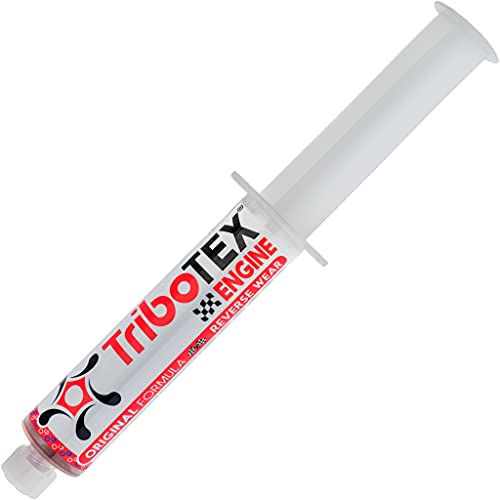
TriboTEX Nano Oil Additive features synthetic nanoparticles designed to form a diamond-like carbon coating, aiming to reverse wear in bearings and improve engine performance. It’s marketed as universal, compatible with all motor oils and suitable for gasoline and diesel engines in cars, trucks, and even older or high-mileage vehicles. The technology-oriented positioning appeals to buyers interested in a modern, nanotechnology-based approach to engine protection and longevity.
STA-BIL Small Engine Pro Multi-System Additive
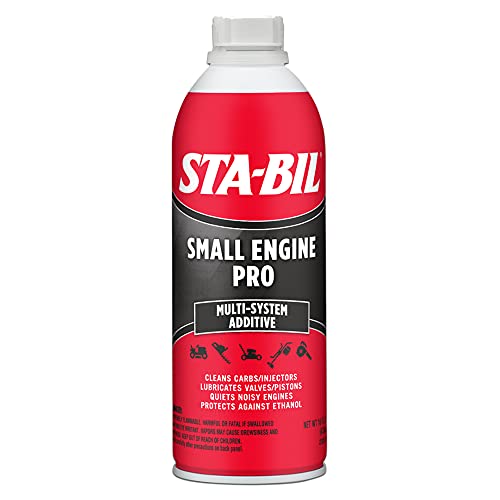
STA-BIL Small Engine Pro is designed to protect against ethanol-related issues while cleaning carburetors and injectors. It lubricates valves and pistons to improve engine efficiency and reduce noise. The product is positioned as a multi-system additive suitable for small engines, including lawn equipment and other gas-powered tools, making it a practical choice for users who operate a mix of vehicles and equipment. It emphasizes lubrication and cleaning to restore performance in older or high-mileage small engines.
Buying Guide: Key Purchase Considerations and Comparisons
- Engine type and fuel: Confirm whether the additive is formulated for petrol, diesel, or both. Some products are universal, while others target one fuel type.
- Purpose and expected benefits: Decide if you want friction reduction, wear protection, cleaning of oil systems, smoke control, or a combination. Different formulations emphasize different outcomes.
- Oil compatibility: Check compatibility with your current motor oil viscosity and brand. Mixability and filter-system compatibility vary by product.
- Engine condition: Older or high-mileage engines may benefit more from wear-reduction and seal-restoration additives, while new engines may focus on friction reduction and efficiency.
- Volume and maintenance intervals: Consider whether you prefer a one-quart bottle,16-ounce option, or larger quantities for extended use. Follow manufacturer recommendations for intervals between treatments.
- Warranty and vehicle guidelines: Some engines have manufacturer-recommended oil additives or restrictions. Verify compatibility to avoid any warranty concerns.
- Emissions and smoke control: For engines with burning oil or smoky exhaust, stop-leak and emission-focused additives can be helpful, but assess root cause and potential impact on emissions tests.
- Application method: Some additives are introduced at oil changes, while others are designed for in-service addition. Follow the product’s instructions for correct use.
- Brand reliability and documentation: Look for additives with transparent ingredient disclosures and independent testing where available.
In choosing an engine additive, consider your vehicle’s age, maintenance history, and driving demands. For routine maintenance, a reputable friction-reducing formula paired with an engine flush can support a cleaner oil system. For aging engines, a wear-reducing additive with seal restoration may help quiet noise and limit burning. For performance-oriented driving or high-mileage fleets, nanotechnology or ceramic-based additives may offer the greatest long-term lubrication benefits. Always consult your vehicle’s manual and a trusted mechanic when selecting an additive to ensure compatibility and appropriate usage.