Best Cold Air Intake for EcoBoost Mustang: Top Upgrades for Ford’s Turbocharged Pony
For EcoBoost Mustangs, a cold air intake can help unlock cooler air, improved throttle response, and potential horsepower gains. This guide highlights five top cold air intake systems designed to fit EcoBoost and turbocharged Mustangs from recent model years. Below you’ll find concise product overviews, practical pros and considerations, and a buying guide to help you choose the best fit for daily driving or spirited weekend runs.
| Product | Brand | Compatibility | Key Benefit |
|---|---|---|---|
| K&N Cold Air Intake System: High-Flow Air Filter, 63-2606 | K&N | 2018-2023 Ford Mustang EcoBoost | Increased horsepower and torque |
| Boosted 2.3L EcoBoost Performance Cold Air Intake (Blue) | BP Boosted Performance | 2015-2023 Mustang EcoBoost | 15WHP, 20WTQ gains |
| AIRAID Cold Air Intake System by K&N, AIR-455-326 | Airaid | 2015-2020 Ford Mustang | Improved airflow with easy install |
| Boosted Performance 2.3L EcoBoost Cold Air Intake (Red) | BP Boosted Performance | 2015-2023 Mustang EcoBoost | 15WHP, 20WTQ gains |
| K&N Cold Air Intake System: 69-3541TC (2025-2025 Mustang) | K&N | 2025-2025 Ford Mustang EcoBoost | Higher airflow with dyno-tested results |
K&N Cold Air Intake System: 63-2606 — High-Flow Filter For EcoBoost

The K&N 63-2606 is designed to reduce intake restriction and increase airflow to the turbocharged EcoBoost engine. The kit emphasizes a less restricted path for cool, oxygen-rich air, which can translate into measurable horsepower and torque gains. K&N notes wheel-based dynamometer testing, with reports included for customers, helping you validate performance claims. The system is engineered to deliver an audible sportier intake sound during acceleration, while remaining relatively quiet at steady speed.
Key factors to consider with this kit include fitment accuracy for 2018–2023 EcoBoost Mustangs and long-term durability of the high-flow filter. Installation is straightforward for DIY enthusiasts, though some basic tools and a read-through of the included documentation are recommended to ensure proper sealing and fit. This option is well-suited for drivers seeking a proven, dyno-backed upgrade with a recognizable brand and extensive aftermarket support.
Boosted 2.3L EcoBoost Performance Cold Air Intake (Blue)

BP Boosted Performance’s blue-filter intake is marketed for a notable airflow improvement over the factory system. The listing highlights a 50%+ increase in airflow, which helps enhance air density and turbo spool, contributing to stronger throttle response and improved turbo efficiency. On real-world applications, owners report gains around 15WHP and 20WTQ by reducing the bottlenecks in the factory intake. The blue-filter variant emphasizes a bold appearance alongside the claimed performance enhancements, appealing to enthusiasts who want both looks and measurable gains.
Considerations for this option include verifying drivetrain compatibility with your exact 2.3L EcoBoost configuration and ensuring the intake’s calibration remains consistent with your ECU settings. The design focuses on maintaining proper air-to-fuel ratios without requiring significant tuning, enabling a relatively simple install for many Mustang owners seeking noticeable improvements in daily driving and track-ready acceleration.
AIRAID Cold Air Intake System AIR-455-326
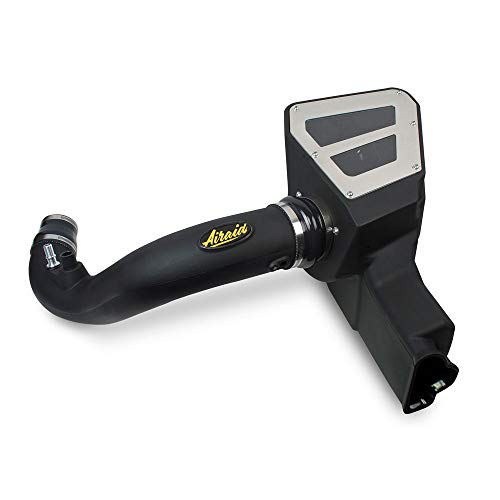
AIRAID’s cold air intake system emphasizes aerodynamic design to accelerate airflow and reduce turbulence, helping the EcoBoost engine breathe more efficiently. The kit promises improved horsepower by delivering cooler, oxygen-rich air to the cylinders, which can support more efficient combustion. The intake is described as easy to install and designed to preserve proper air-to-fuel ratios, reducing the need for recalibration after installation. In practice, many owners appreciate the balance of performance gains, filtration efficiency, and a straightforward install that suits both beginners and more experienced modders.
Important considerations include compatibility with 2015–2020 Mustangs and ensuring the filter media’s durability under varying climate conditions. Airaid’s filtration system is often praised for better filtration and airflow performance, but customers should confirm fitment with their exact vehicle trim and engine configuration to maximize benefits.
Boosted 2.3L EcoBoost Red Intake — 15WHP / 20WTQ

This BP Boosted Performance red-filter intake highlights a similar performance narrative to the blue variant, focusing on a substantial airflow increase and turbo responsiveness. The stated gains mirror other EcoBoost-focused upgrades: approximately 15WHP and 20WTQ through improved engine efficiency and reduced airflow restrictions from the stock intake. The red color offers a distinct aesthetic, which may appeal to builders seeking a recognizable upgrade that pairs well with other red-accented performance components.
When evaluating this option, consider the filter material, mounting hardware compatibility, and any potential impact on intake resonance or engine sound. Users should also verify the warranty terms and ensure the kit’s clamps and hoses are of robust tolerance to maintain a reliable seal in hot and dusty environments.
K&N Cold Air Intake System: 69-3541TC — 2025-2025 Mustang

This K&N system targets newer EcoBoost Mustangs (2025–2025) with a focus on maximizing airflow while maintaining reliability. The 69-3541TC kit is designed for continued performance improvements, offering a high-flow air intake pathway and dyno-backed horsepower and torque claims similar to other K&N products. This option is appealing for owners who want K&N’s proven filtration approach and a product line that supports future model updates and compatibility with the growing EcoBoost ecosystem.
Key considerations include confirming compatibility with your exact model year and any required revisions to the intake tubes or mount points for newer chassis configurations. K&N’s reputation for broad aftermarket support and consistent filtering performance makes this a solid choice for drivers prioritizing long-term availability of replacement parts and filter media.
Buying Guide: Key Considerations For EcoBoost Mustangs
- Engine compatibility: Ensure the intake kit explicitly lists EcoBoost/2.3L compatibility for your model year. Some kits target 2.3L EcoBoost, while others fit GT or V8 configurations.
- Airflow vs. filtration balance: A high-flow design should still prioritize filtration to protect turbocharged engines from debris. Look for dry or oiled filters based on maintenance preference and climate.
- Dyno-backed claims: Prefer products that provide wheel-based horsepower and torque data, ideally with third-party or manufacturer dyno reports.
- Installation complexity: Consider your DIY skill level. Some kits require calibration or ECU tuning, while others install with basic hand tools and minimal calibration.
- Long-term durability: Check filter material, tube construction, and seal integrity in heat and dust. Copper or aluminum tubes tend to resist heat soak better than some plastics.
- Aesthetics and sound: Some EcoBoost owners enjoy a more aggressive intake sound and an enhanced under-hood look; filter color and tube finish can matter for show builds.
- Warranty and support: Verify warranty terms and whether aftermarket intakes affect factory emissions certifications. Reputable brands often provide clear coverage and replacement parts.
- Maintenance cadence: Dry filters are easier to clean and reusable, whereas oiled filters may require more frequent cleaning and reapplication of oil for optimal filtration.
- Cost vs. benefit: The EcoBoost platform responds well to bolt-on upgrades, but assess whether the predicted horsepower gains align with your driving goals and budget.
In summary, the best cold air intake for your EcoBoost Mustang depends on your year, climate, and whether you prioritize maintenance simplicity, filtration efficiency, or maximum airflow. Each option above offers a viable path to improved breathing for the turbocharged engine, with different blends of performance claims and installation experiences. Assess your priorities—noise level, ease of installation, and durability—before choosing the kit that best fits your Mustang’s setup.