Best Open Face Helmet for Safe, Stylish Rides and Sun Protection
Open face helmets offer the ideal balance of visibility, airflow, and style for riders who want protection without full-face coverage. This guide highlights top open face helmets, focusing on safety certifications, comfort, ventilation, and visor systems. Each pick below includes standout features to help you compare fit, airflow, and sun protection for everyday riding, cruising, or weekend adventures.
| Product | Brand | Key Feature |
|---|---|---|
| YM-627 Open Face Helmet | YEMA | Dual sun visors, DOT certified, good ventilation |
| Mag-9 Open Face | BELL | Bell-specific headset compatibility, versatile comfort |
| Spitfire Spark | LS2 | Two-position sun shield, removable padding, DOT approved |
| Snell SA2020 Open Face | Conquer | Lightweight fiberglass shell, fire retardant interior |
| 726X Matte Black | ILM | Detachable sun shield, DOT standard |
YEMA YM-627 Open Face Helmet

The YM-627 combines protective features with practical sun protection. It includes dual visors: an external clear visor to shield against wind and debris, and an internal tinted visor to reduce glare. The shell uses professional-grade materials and padding for impact resistance, with DOT certification signaling compliance with safety standards. Ventilation is designed to maximize airflow, helping riders stay cool without sacrificing comfort on hot days. This helmet targets adult riders seeking a versatile, budget-friendly option with a focus on everyday use.
Bell Mag-9 Open Face Helmet

The Mag-9 emphasizes compatibility and comfort, aiming to work with Bell’s Senna SMH10 Bluetooth headset and intercom systems. It redefines the open face category with a design that blends everyday wearability with upgraded internal padding and a secure fit. The helmet is constructed to balance protection with accessibility, making it a popular choice for riders who value tech integration as part of their riding experience.
LS2 Spitfire Spark Open Face

LS2’s Spitfire Spark offers a built-in two-position sun shield and a full removable, washable padding system. The 3D laser-cut padding improves comfort, while a secure metal latch and DOT-approved quick-release chin strap ensure easy operation, even with gloves. The helmet targets riders who want a lightweight, comfortable, and easy-to-maintain option with practical sun protection for daytime rides.
Conquer Snell SA2020 Open Face
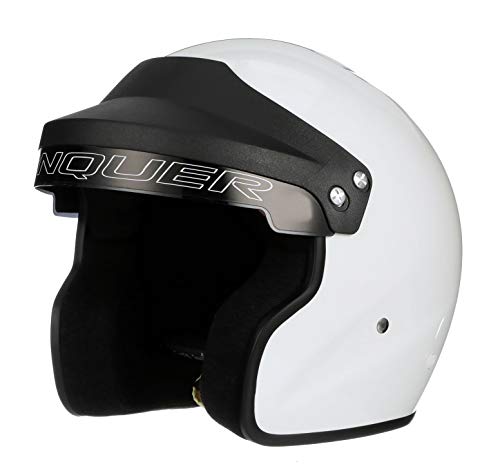
Designed for racing and performance riding, the Conquer SA2020 is a lightweight fiberglass helmet built for speed and protection. It features a comfortable, fire-retardant padded interior with removable cheek pads and robust airflow ventilation. A Kevlar chin strap adds durability, while the overall build aims to meet strict safety standards for amateur and track-day use. This helmet suits riders who prioritize track-ready safety and a snug, performance-focused fit.
ILM Open Face 726X Matte Black
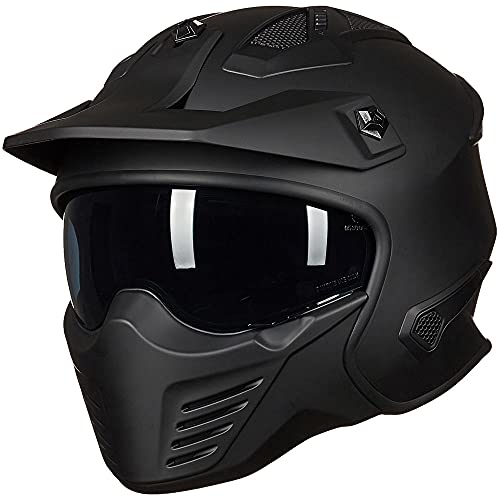
ILM’s 726X offers a detachable sun shield and a DOT-rated protection package. It uses a ventilated design with multiple vents to promote airflow and a breathable lining to keep riders cool during longer sessions. The matte black finish provides a sleek look, suitable for riders who want a simple, dependable helmet without esoteric features. The design emphasizes practical use, easy maintenance, and consistent protection.
Buying Guide
Key considerations when choosing an open face helmet include safety certifications, fit, and comfort. DOT certification is common in the U.S., signaling basic impact protection. For performance-minded riders, Snell-certified helmets (SA2020) provide stricter testing standards. Ventilation is important for comfort on hot days, so look for helmets with multiple vents and well‑designed air channels. Visor systems vary: dual visors or built-in sun shields help reduce glare without needing separate eyewear. Interior padding should be removable and washable for hygiene. Weight matters to reduce neck fatigue during longer rides. Compatibility with communication devices can be a deciding factor for some riders. visors, ease of use with gloves, and maintenance accessibility are practical daily-use considerations.
Material choice often centers on ABS or fiberglass shells. ABS offers good impact resistance and cost-effectiveness, while fiberglass shells tend to be lighter and stiffer, with higher production complexity. The right helmet also depends on riding style: urban commuting benefits from strong ventilation and sun protection, while sport or track riding prioritizes secure fasteners and precise fit. Consider the helmet’s weight, size availability, and return options to ensure an optimal fit. Finally, factor in compatibility with accessories like Bluetooth headsets and anti-fog visors to maximize value over time.