Best Radiator Leak Fixes for Cars and Trucks
Radiator leaks can lead to overheating and costly repairs. This guide compares top one-step leak sealants and stop-leak products designed to seal leaks in radiators, gaskets, freeze plugs, and more. Each option works with most cooling systems and requires little to no flushing. Read on to see which products best fit your vehicle and maintenance approach.
| Product | Brand | Notes |
|---|---|---|
| K-Seal ST5501 | K-Seal | Permanent one-step sealant for quick fixes |
| Bar’s Leaks Cooling System Radiator Stop Leak 16.9 oz. | Bar’s Leaks | Liquid aluminum formula for radiators |
| Bar’s Leaks 1109 Liquid Copper Block Seal | Bar’s Leaks | Antifreeze-compatible copper-based formula |
| Bar’s Leaks 1177 Radiator Stop Leak Tablets | Bar’s Leaks | Tablet form for ongoing protection |
| Liqui Moly Radiator Stop Leak | Liqui Moly | All-system sealant for cooling and heating circuits |
Product Highlights: Quick, Effective Radiator Leak Fixes
Radiator leaks vary in size and location, from tiny pinhole leaks to cracked hoses and gaskets. The products below are designed to seal leaks with minimal disruption to your cooling system. They’re chosen here for their compatibility with common American vehicles and their ability to work without draining prior to use.
K-Seal ST5501 Multi-Purpose One Step Permanent Coolant Leak Repair

K-Seal ST5501 is a pour-and-go solution designed to seal leaks in radiators, head gaskets, freeze plugs, blocks, heater matrices, and water pumps. It aims to fix holes and cracks quickly and permanently. The formula is marketed as compatible with all antifreeze types and claims no draining or flushing is required—just shake, pour, and run the engine as usual. This makes it convenient for DIY repairs and emergency fixes in both cars and light-duty trucks.
Bar’s Leaks Cooling System Radiator Stop Leak 16.9 oz.
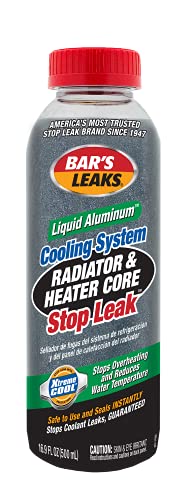
This liquid aluminum stop leak claims to seal radiator leaks, freeze plug leaks, and various gasket and heater core leaks while also contributing to cooling performance. It is designed for use in most cooling systems and is marketed as a low-maintenance option that reduces leak risks. Users should monitor coolant levels and ensure compatibility with their antifreeze type when applying.
Bar’s Leaks 1109 Liquid Copper Block Seal

Bar’s Leaks 1109 uses a copper-based liquid glass penetrant to seal leaks in plastic, aluminum, and cast-iron engine components. It’s described as antifreeze-compatible and safe for all cooling systems when used as directed, capable of sealing leaks in radiators, intake manifolds, and gaskets without draining the system first.
Bar’s Leaks 1177 Radiator Stop Leak Tablets

These tablets provide a professional-strength formula to inhibit rust and scale, control pH, and seal leaks within the cooling system. They’re aligned with OEM use standards and are intended for ongoing protection—repeat applications may be needed at intervals of mileage or annually, depending on vehicle conditions.
Liqui Moly Radiator Stop Leak

Liqui Moly’s radiator stop leak is marketed as a coolant additive that seals leaks throughout cooling and heating systems. It’s designed for quick action to prevent coolant loss, with broad material compatibility and effectiveness across a range of engine configurations.
ProSeal Instant Gas Tank & Radiator Repair

ProSeal Instant Gas Tank & Radiator Repair is a steel-reinforced epoxy putty designed to seal small holes, cracks, and seams without draining the system. It hardens to a durable repair within a few hours and reaches full strength after about 12 hours, suitable for temporary or emergency fixes where immediate downtime is limited.
Buying Guide: Key Purchase Considerations
When choosing a radiator leak fix, consider the following factors to maximize effectiveness and safety.
- Leak location and size: Small leaks in radiators or gaskets may respond well to stop-leak tablets or liquid formulas, while larger cracks might require a stronger, permanent sealant or professional repair.
- System compatibility: Ensure the product is compatible with your antifreeze type (ethylene glycol vs. propylene glycol) and materials (aluminum, steel, plastic) in your cooling system.
- Vehicle type and usage: Light-duty cars may respond differently than heavy-duty trucks or RVs. For high-mileage or demanding use, a long-term solution like a steel-reinforced epoxy or a robust liquid sealant may be preferable.
- Drain and flush considerations: Some products require no draining, while others perform best after a flush. Follow product instructions to avoid voiding warranties or causing damage.
- Preventive vs. corrective use: Tablet forms offer ongoing protection with periodic reinforcements, while single-use liquids may deliver a one-off seal. Consider regimen that aligns with maintenance plans.
- Post-application monitoring: After applying a sealant, monitor coolant levels and temperature, and check for any changes in pressure or leaks. Reassess if leaks persist or reappear.
- Safety and disposal: Wear protective gloves and follow disposal guidelines for coolant and sealant waste. Avoid mixing products unless explicitly recommended by the manufacturer.
These options provide a range of approaches—from quick emergency fixes to ongoing preventive supplements. For persistent or sizeable leaks, or if overheating continues, professional diagnosis and service may be required to prevent engine damage.