Best Spark Plugs for Outboard Motors: Reliable Marine Ignition Solutions
Finding the right spark plugs for outboard motors is essential for consistent starts, smooth idle, and reliable performance on the water. This guide highlights five top choices from reputable brands, focusing on compatibility, durability, and marine-grade design. Each product is evaluated on installation notes, material quality, and the OEM suitability that mariners demand. Use the buying guide below to compare features and select plugs that best fit your engine’s specifications and operating conditions.
| Product | Brand | Key Benefit |
|---|---|---|
| Champion 828M | Champion | Genuine copper construction, marine-grade reliability |
| 2X OEM Spark Plug 94701-00160 | ITACO | Made in Japan; OEM-referenced compatibility |
| Quicksilver 13686Q NGK BU8H | Quicksilver / NGK | Semi-surface discharge design for carbon control |
| LKAR7C-9 Iridium | JUQAFY | Iridium center electrode; high durability |
| SYKRSS BR8HS-10 Iridium | SYKRSS | Pre-gapped, OE-replacement quality for multiple brands |
Champion 828M Pack of 4 Copper Marine Spark Plugs
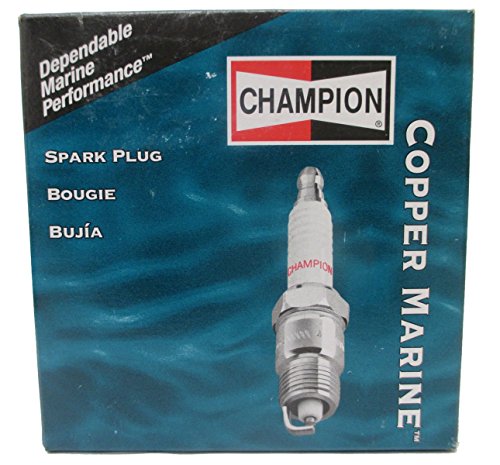
Champion 828M spark plugs are genuine Champion parts designed for marine use. The copper core delivers efficient conductivity and robust performance under typical saltwater conditions. Installation guidance emphasizes verifying part numbers with the owner’s manual to ensure proper fit. Compatibility should be confirmed using the engine’s spec sheet or the user manual before purchase.
Key considerations:
– Copper core for reliable ignition in standard marine engines
– Proper installation and part-number verification are essential
– Marine-grade construction to resist corrosion
2X Boat Motor Genuine Made in Japan OEM Spark Plug 94701-00160
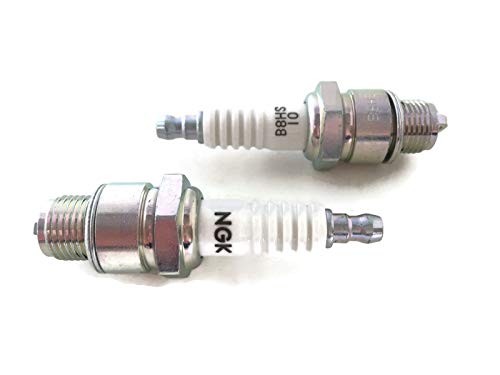
This ITACO listing emphasizes OEM-original Spark Plugs made in Japan, intended for Yamaha outboards. The kit references multiple Yamaha, Suzuki, Toyota, and general OEM numbers to guide compatibility checks. Prospective buyers should cross-check the exact OEM part numbers (e.g., 94701-00160-00 and related codes) to prevent misfit issues, and verify the engine’s requirement in the owner’s manual.
Key considerations:
– Cross-brand compatibility notes require careful OEM number verification
– Importance of matching the engine’s specific part numbers
– OEM-grade materials aim to preserve ignition reliability
Quicksilver 13686Q NGK BU8H Spark Plug
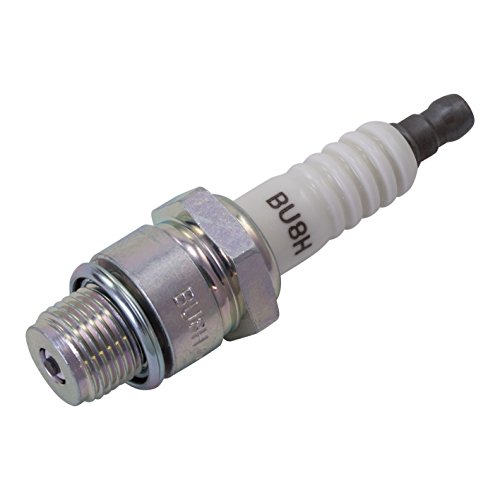
Quicksilver’s 13686Q features a BU8H semi-surface discharge design intended to enhance ignition efficiency and resist carbon buildup. The plug aligns with NGK’s recommended component standards and emphasizes corrosion resistance and ease of removal due to anti-seize properties. Always consult the engine owner’s manual to verify the correct plug type and installation procedure.
Key considerations:
– Semi-surface discharge design helps prevent fouling
– NGK trivalent plating adds anti-corrosion properties
– Verify compatibility with the engine’s OEM specification
LKAR7C-9 Iridium Spark Plug For Mercury

JUQAFY’s LKAR7C-9 Iridium spark plug is designed for Mercury outboards within a broad horsepower range, including 175–300 HP and V6/V8 configurations. The center electrode uses iridium for durable ignition performance, while the insulator’s dense ceramic helps resist flashover. The design emphasizes heat resistance and long service life, with emphasis on accurate replacement of legacy part numbers.
Key considerations:
– Iridium center electrode for improved durability
– Designed for specific Mercury outboard models and power ranges
– Robust heat resistance supports long-term reliability
SYKRSS BR8HS-10 Iridium Spark Plugs

The SYKRSS BR8HS-10 set targets compatibility with Yamaha, Mariner, and Tohatsu two-stroke outboards, among others. These are pre-gapped to 1.0 mm, simplifying installation. The plugs replace OE numbers such as 1134 and BR8HS-10 and are built to withstand high-temperature engine operation. Users should confirm engine make, model, and displacement to ensure correct fit before purchase.
Key considerations:
– Pre-gapped with standard 1.0 mm gap for ease of installation
– Iridium design aims for strong ignition and durability
– OE-number replacement compatibility supports cross-brand use
Buying Guide: Key Purchase Considerations
- Engine compatibility: Always verify the exact OEM part number or cross-reference to your engine model in the owner’s manual or by contacting the manufacturer. A mismatched plug can affect ignition timing and performance.
- Electrode material: Iridium plugs offer longer life and stable performance under high heat; copper plugs can provide strong heat transfer and good spark energy in many marine engines; NGK and NGK-equivalent designs are common OEM choices.
- Discharge design: Surface or semi-surface discharge plugs (like BU8H variants) can help reduce carbon buildup in marine environments with intermittent operation or heavy fuel use.
- Corrosion resistance: Marine environments demand high corrosion resistance—plating (like trivalent nickel) and robust electrode construction improve longevity.
- Pre-gap and installation: Pre-gapped plugs simplify installation but verify gap specification for your engine. Always use the recommended torque and sealant if specified by the manual.
- OEM vs. aftermarket: OEM plugs ensure compatibility and warranty alignment, while reputable aftermarket options can offer value. Use OEM references as a baseline for comparison.
- Maintenance interval: Spark plugs in marine engines typically require more frequent inspection due to salt exposure and high-load operation. Plan regular checks and replacements per manufacturer guidance.
- Installation tools: Ensure you have the correct socket size, anti-seize or thread lubricant if recommended, and a torque wrench to avoid overtightening.
When selecting spark plugs for outboard motors, the goal is reliable ignition, minimal fouling, and long service life under marine conditions. The products listed above represent a range of materials, designs, and OEM compatibilities. Always align your choice with your engine’s specific requirements and operating environment to optimize performance on the water.